

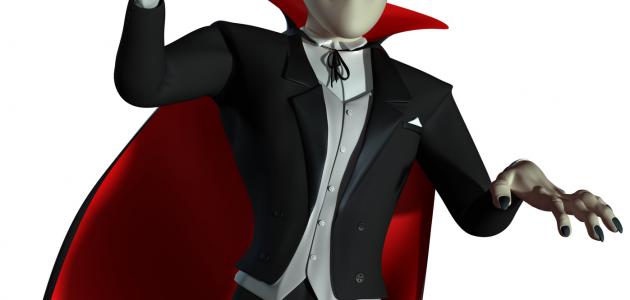
Introduction to Vampires
Vampires have fascinated humans for centuries. Stories of blood‑drinking creatures appear in almost every culture, from Eastern Europe to Asia and Africa. These beings are often described as immortal or undead, preying on the living to sustain themselves. Although vampires are largely considered mythical, their tales have influenced literature, films, and modern pop culture, making them timeless figures in human imagination.
Origins of Vampire Legends
The idea of vampires likely arose from attempts to explain natural phenomena that were poorly understood. In ancient times, diseases, sudden deaths, or unusual decompositions of bodies were often attributed to supernatural causes. Cultures created stories of revenants—beings who returned from the grave to harm the living. In Slavic regions, people spoke of vrykolakas, while in Africa, the adze was believed to drain energy from the living. Such legends were cautionary tales, often designed to encourage respect for the dead or adherence to moral codes.
Historical Accounts
Several documented cases in history helped solidify vampire myths. For instance, in 18th-century Eastern Europe, villagers exhumed bodies they believed were “vampires” and performed rituals like staking or decapitation to prevent them from rising. Notable cases, such as Petar Blagojević in Serbia, were recorded in contemporary accounts, feeding the fear and fascination surrounding vampires. These events, combined with superstition and misunderstanding of decomposition, shaped the stories that would endure for centuries.
Medical and Scientific Explanations
Modern science suggests many vampire traits were inspired by real medical conditions. Disorders like porphyria can make skin pale and cause light sensitivity, while anemia might explain weakness or pallor. Additionally, during decomposition, bodies can appear as if “alive,” with skin retraction and bloating giving the illusion of movement. These factors likely contributed to the legends of the undead rising from graves.
Vampires in Literature and Popular Culture
The vampire legend evolved further with literature. Bram Stoker’s Dracula transformed the vampire into a sophisticated, charismatic figure, blending horror with allure. Since then, vampires have appeared in countless novels, films, and television series, ranging from terrifying predators to romantic heroes. Modern interpretations often explore themes of immortality, desire, and moral ambiguity, keeping the myth relevant across generations.
Why the Vampire Myth Persists
Despite centuries of science and rational explanations, vampire legends endure. They reflect human fears: the unknown, death, and the fragility of life. They also symbolize human desires—immortality, power, and forbidden attraction. This blend of fear and fascination ensures vampires remain a captivating part of storytelling worldwide.
Conclusion
While no evidence proves the existence of vampires, their legends teach valuable lessons. They remind us of the power of imagination, the origins of cultural fears, and humanity’s endless curiosity about life, death, and the unknown. Vampires, whether real or fictional, continue to inspire awe and creativity, proving that myths can shape human culture for generations.