

A Journey Beneath the Sands
In the remote deserts of northern Sudan, where the Nile carves its way through golden dunes, lies a story long forgotten. Deep beneath the earth, remnants of a powerful civilization waited silently for modern eyes to uncover them. Around the early 2000s, a team of archaeologists led by a Swiss researcher began excavating at Doukki Gel, a site now renowned for its extraordinary finds. What they unearthed was nothing short of remarkable: statues and artifacts of the Black Pharaohs, kings of the ancient Kingdom of Kush, who once ruled both Nubia and Egypt.
Unlike the familiar pyramids of Egypt, these statues had endured centuries of desert winds and human neglect, partially buried and damaged, yet still exuding the dignity and strength of their rulers. Each figure told a story of power, art, and leadership that rivaled the most famous dynasties of the Nile Valley.
Kings Who United Two Lands
The Black Pharaohs, originating from Nubia, ascended to power during the 25th Dynasty of Egypt. Monarchs like Taharqa, Aspelta, and Senkamanisken extended their influence across vast territories, bridging cultures and traditions. Their reigns were not only political but also cultural, leaving behind temples, tombs, and statues that reflected a unique blend of Egyptian and Nubian styles.
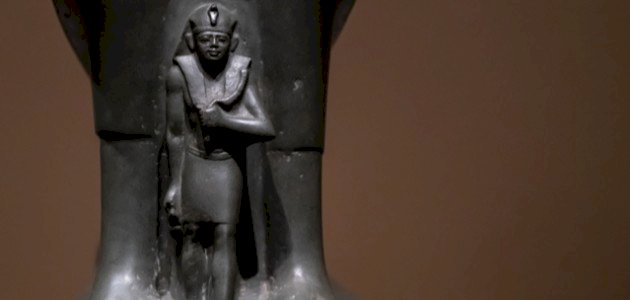
The statues discovered at Doukki Gel were exceptional. Each monument captured the visage of these rulers with intricate details — the shape of their crowns, the posture of their bodies, and the expressions on their faces spoke of wisdom, strength, and a legacy that demanded respect.
Challenges in Restoration
Many statues were broken or incomplete, scattered across excavation sites. Archaeologists carefully pieced them together, sometimes taking years to restore a single figure. This painstaking work revealed hidden inscriptions and artistic techniques that had remained invisible for millennia. When displayed in museums, these statues not only amazed visitors with their craftsmanship but also told a story of resilience and survival — a civilization that had weathered centuries of neglect to leave its mark on history.
A Civilization Rediscovered
The Black Pharaohs were more than rulers; they were visionaries who integrated cultures, built cities, and expanded trade across the Nile Valley. Discoveries like the Doukki Gel statues challenge the common perception that Egypt alone dominated ancient African history. Nubia, often overshadowed, emerges as a center of innovation, art, and power.
Excavations in nearby sites such as Nuri and Kerma continue to reveal royal tombs, ceremonial artifacts, and architectural marvels, offering new perspectives on governance, religion, and daily life in Kushite society.
Lessons from the Past
The story of the Black Pharaohs teaches us that history is layered and often overlooked. It reminds us that civilizations rise and fall, leaving fragments for future generations to interpret. These statues are more than art; they are bridges connecting modern observers to the lives, ambitions, and triumphs of ancient peoples.
Rediscovering the Black Pharaohs is not only about restoring statues but also about restoring recognition to a powerful African legacy — a heritage that continues to inspire archaeologists, historians, and all who seek to understand the rich tapestry of human civilization.