


Every day, billions of people scroll through social media feeds, watch videos, read articles, and shop online. What many users don’t realize is that most of what they see is not random. Behind every post, video, and recommendation, there is an algorithm quietly deciding what appears on the screen—and what doesn’t.
This article breaks down how online algorithms work, why they exist, and how they shape the digital experience in ways most people never notice.
What Online Algorithms Really Are
At their core, algorithms are sets of rules and calculations designed to make decisions automatically. On the internet, platforms use algorithms to organize massive amounts of content and show users what is most likely to interest them.
Without algorithms, social media platforms and websites would be chaotic. Users would see content in random order, making it difficult to find relevant or engaging information. Algorithms act as filters, sorting content based on data and predicted user preferences.
Why Platforms Rely on Algorithms
Modern platforms deal with an overwhelming amount of content. Millions of posts, videos, and updates are uploaded every minute. Showing everything to everyone is impossible.
Algorithms help platforms:
-
Keep users engaged for longer periods
-
Reduce irrelevant or low-quality content
-
Personalize the experience for each user
-
Increase advertising effectiveness
From a business perspective, the longer users stay on a platform, the more valuable that platform becomes.
The Data Algorithms Use
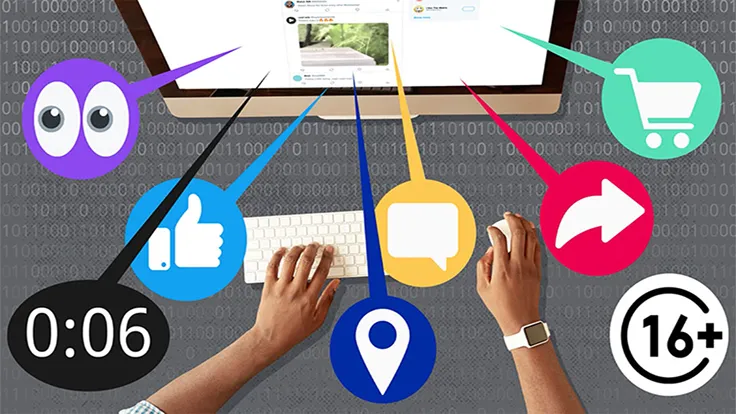
Algorithms learn by analyzing user behavior. Every interaction sends a signal.
Common data points include:
-
Likes, comments, and shares
-
Watch time on videos
-
Search history
-
Pages visited and links clicked
-
Location and device type
Even actions like scrolling past content quickly or stopping to read a post for a few seconds can influence future recommendations.
The system does not need personal details like names or private messages. Instead, it focuses on patterns and behavior.

Engagement Is the Most Important Factor
The single most powerful signal for algorithms is engagement.
Content that generates:
-
Likes
-
Comments
-
Shares
-
Longer watch times
is more likely to be shown to a wider audience. Algorithms interpret engagement as a sign that content is valuable or interesting.
This is why emotional content—whether entertaining, shocking, or controversial—often spreads faster than neutral information.
Personalization: Why Feeds Look Different for Everyone
Two people can follow the same accounts and still see completely different content. This happens because algorithms personalize feeds based on individual behavior.
If one user watches cooking videos frequently, their feed will show more food-related content. Another user who interacts with tech news will see more technology posts.
Over time, algorithms build a profile of interests and continuously adjust recommendations to match those patterns.
The Role of Machine Learning and AI
Most modern algorithms rely on machine learning. This means they improve automatically by learning from past outcomes.
If a recommendation leads to high engagement, the algorithm treats it as a success and repeats similar suggestions. If users ignore content, the system gradually deprioritizes it.
This feedback loop allows algorithms to evolve constantly without human intervention, making them highly adaptive but also unpredictable.
Why Trending Content Spreads So Fast
Trending topics receive special attention from algorithms. When many users engage with the same content in a short period, the system identifies it as trending and boosts its visibility.
This can cause rapid content amplification, where a post reaches millions of users in hours. Timing is critical—early engagement often determines whether content becomes widely visible or disappears quickly.
Ads and Algorithms: A Close Relationship
Algorithms are deeply connected to online advertising. Platforms use user data to deliver ads that match interests and behavior.
Advertisers benefit from precise targeting, while platforms generate revenue. This is why algorithms prioritize content that keeps users active and engaged—it increases ad exposure without disrupting the experience.
Importantly, ads follow similar ranking systems as regular content, competing for attention based on relevance and engagement.
Do Algorithms Create Filter Bubbles?
One of the biggest concerns around algorithms is the idea of “filter bubbles.” This happens when users are repeatedly shown similar content, reinforcing the same ideas and perspectives.
Because algorithms favor content users already agree with or engage with, exposure to opposing viewpoints may decrease over time. While this improves user satisfaction in the short term, it can limit diversity of information.
Platforms continuously adjust algorithms to balance relevance with content variety, but the challenge remains complex.
What Algorithms Do Not Do
Despite common myths, algorithms do not:
-
Read private messages
-
Listen through microphones for ad targeting
-
Target individuals manually
Decisions are automated and based on aggregated behavior patterns, not personal surveillance.
Understanding this helps reduce unnecessary fear while still encouraging awareness of digital privacy.
How Users Can Influence What They See
Although algorithms feel invisible, users have more control than they realize.
Simple actions can reshape feeds:
-
Actively engage with content you enjoy
-
Mute or hide topics you dislike
-
Follow diverse accounts
-
Limit time spent on repetitive content
Algorithms respond to behavior. Changing habits gradually changes recommendations.
Why Understanding Algorithms Matters
Algorithms shape opinions, influence purchasing decisions, and affect how people consume news and entertainment. Understanding how they work empowers users to make more informed choices online.
Rather than being passive consumers, users can actively guide their digital experience by recognizing how engagement drives visibility.
Final Thoughts
Online algorithms are not mysterious forces controlling the internet. They are tools designed to manage attention, personalize content, and optimize engagement at scale.
While powerful, they are driven by human behavior. By understanding their logic, users gain clarity—and control—over what appears on their screens every day.