
TikTok has become one of the most popular social media platforms in the world, with millions of active users posting short videos every day. Despite its success, TikTok has faced growing scrutiny from governments worldwide. Many people are asking: why is TikTok being banned or restricted in some countries?
This article explains the reasons behind these bans, the concerns raised by authorities, and what this could mean for users and the platform in the future — all in clear, simple terms.
What is happening with TikTok?
TikTok, owned by the Chinese company ByteDance, allows users to create, share, and watch short videos. While the app is widely popular for entertainment, dance challenges, and creative content, several governments have started questioning its safety, security, and influence.
In 2025, some countries have imposed partial restrictions, while others have considered full bans. These decisions often make headlines, creating uncertainty for users and advertisers alike.
Why are countries concerned?
Several main concerns drive governments to act against TikTok:
-
Data Privacy
Authorities worry that TikTok collects large amounts of user data, including location, contacts, and usage patterns. There is concern that this data could be accessed by foreign entities or misused in ways that threaten national security. -
Content Moderation and Influence
Governments are also cautious about the platform’s ability to influence public opinion, especially among young users. Concerns include exposure to misinformation, inappropriate content, or politically sensitive material. -
Cybersecurity Risks
With billions of users and vast amounts of data, any vulnerability in TikTok could pose serious cybersecurity risks. This makes some governments wary of allowing unrestricted access.
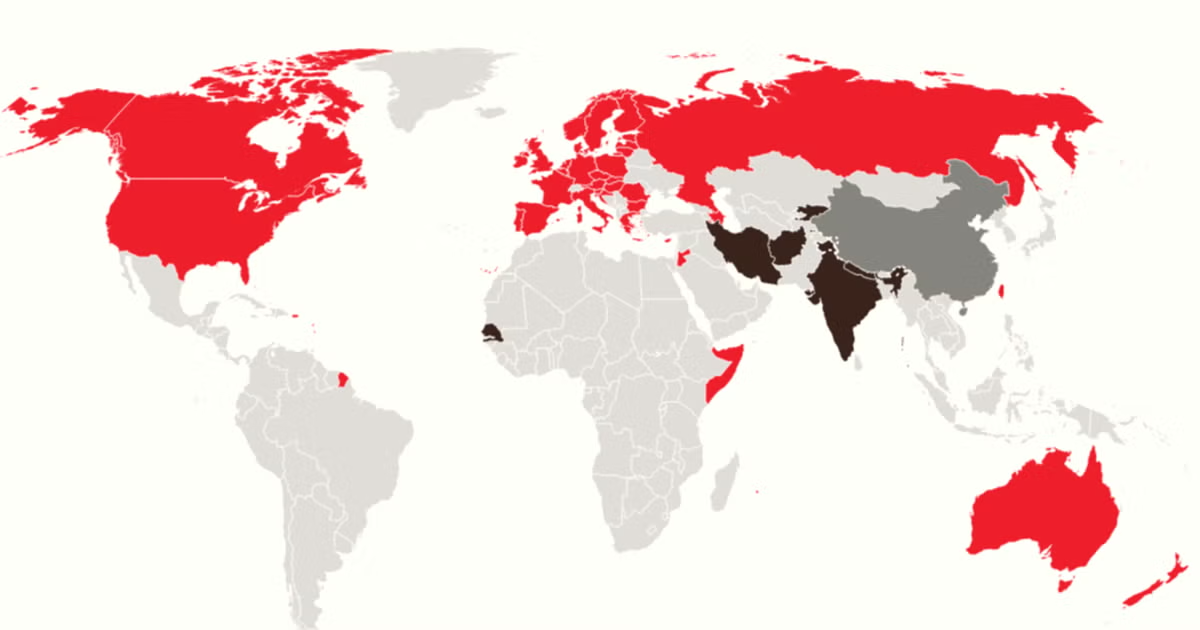
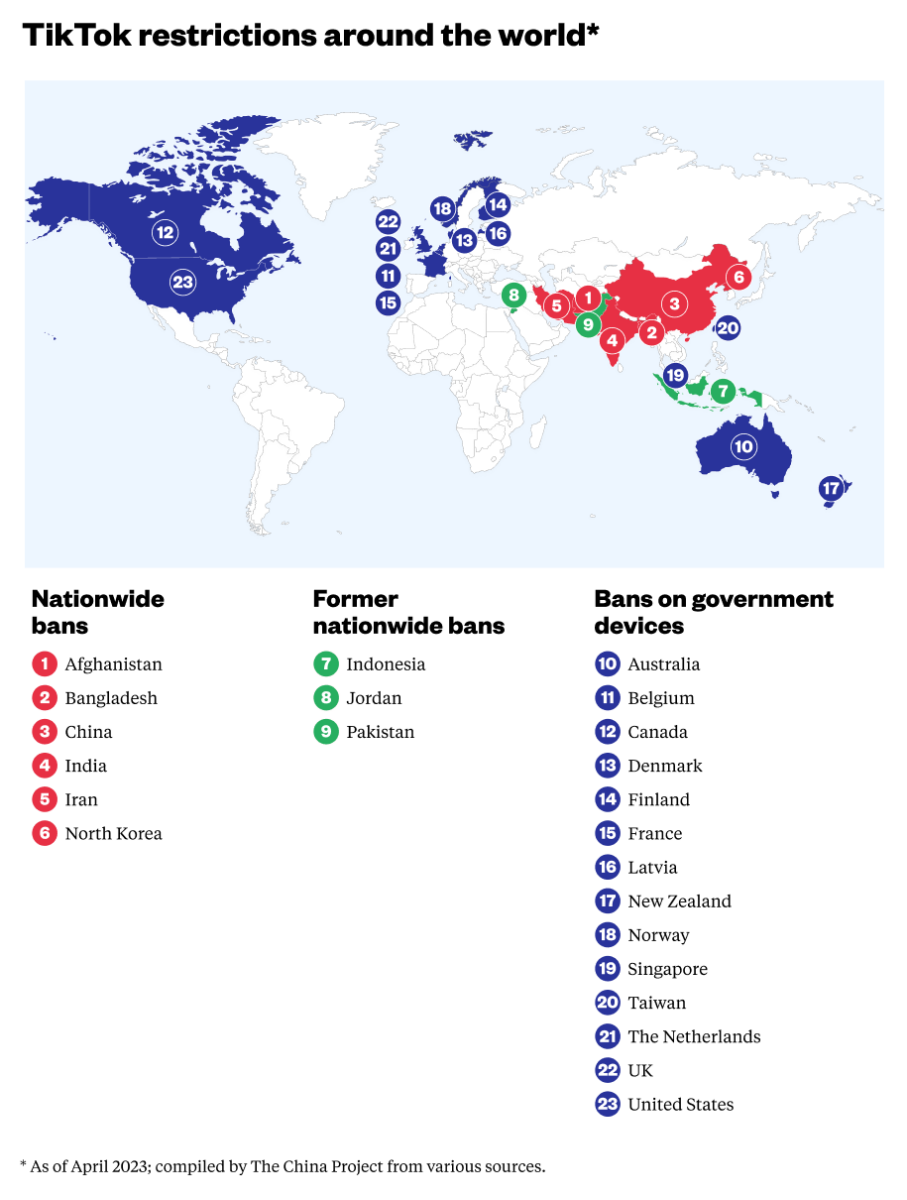
Which countries have taken action?
-
India: Banned TikTok completely in 2020 citing security and privacy concerns.
-
United States: Some government devices are restricted from using TikTok, and lawmakers have discussed potential bans.
-
European countries: Several are considering stricter regulations and closer monitoring of TikTok’s data practices.
-
Other regions: Certain Middle Eastern countries have temporarily restricted TikTok due to content regulation issues.
Each country’s decision is influenced by national security policies, public pressure, and political relations with China.
How TikTok responds to these concerns
TikTok has taken several steps to address government concerns:
-
Data localization: Storing user data locally in specific countries
-
Content moderation improvements: Strengthening systems to remove harmful or inappropriate content
-
Transparency reports: Publishing regular updates on data requests and content policies
-
Partnerships with regulators: Engaging in dialogue with governments to explain practices and safety measures
Despite these efforts, concerns persist in some regions due to political and security sensitivities.
Why this matters to users
Bans or restrictions on TikTok affect millions of users worldwide:
-
Access limitations: Users may lose access to content or their accounts temporarily or permanently
-
Economic impact: Influencers and content creators who rely on TikTok for income may face financial challenges
-
Cultural influence: TikTok shapes trends, music, and entertainment; restrictions limit its reach in local markets
For businesses, advertising on TikTok may also become riskier in countries considering bans.
Are these bans permanent?
Not necessarily. TikTok bans are often temporary or partial, while governments negotiate terms or monitor compliance with regulations.
The platform may resume full operation if it demonstrates stronger compliance with data privacy, content moderation, and cybersecurity standards. However, geopolitical tensions can influence how long restrictions last.
The role of geopolitics
TikTok’s Chinese ownership has made it a focus of international politics. Tensions between countries often influence the decisions to restrict or ban the app. Security agencies cite potential foreign influence, while politicians weigh public opinion and regulatory pressure.
Geopolitics also impacts discussions around new regulations, data storage requirements, and cross-border access to information.
What could happen next?
Experts suggest several possible developments in 2025 and beyond:
-
TikTok may continue expanding in countries where regulations are favorable
-
More countries might introduce partial restrictions or local data storage rules
-
Governments and TikTok could negotiate long-term agreements on privacy and content moderation
-
Competitors may gain market share in regions where TikTok faces bans
The outcome largely depends on technology policies, political relations, and public perception.
In simple terms, what does this mean?
In simple terms, TikTok faces bans because governments are concerned about data privacy, content, and cybersecurity. While the platform remains popular, users and creators need to be aware that its availability may vary depending on country-specific regulations and political developments.