

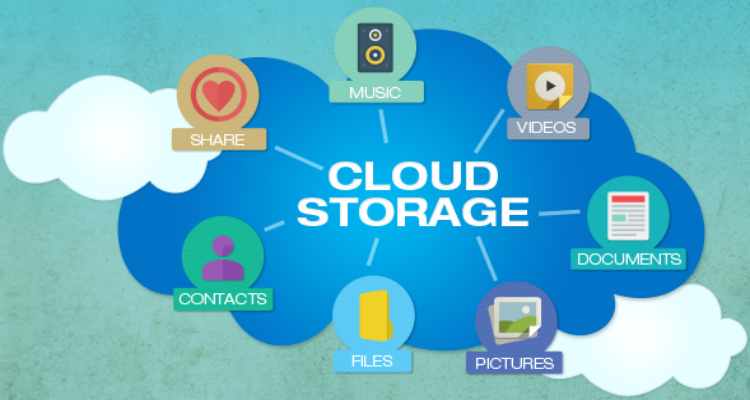
Cloud storage has become an essential part of modern digital life. From saving photos on your phone to collaborating on documents online, cloud storage allows users to access their data from anywhere, at any time. Despite its widespread use, many people don’t fully understand how cloud storage works or why it is so reliable and secure.
This article explains cloud storage in simple terms, breaking down the technology, benefits, and considerations for everyday users.
What Is Cloud Storage?
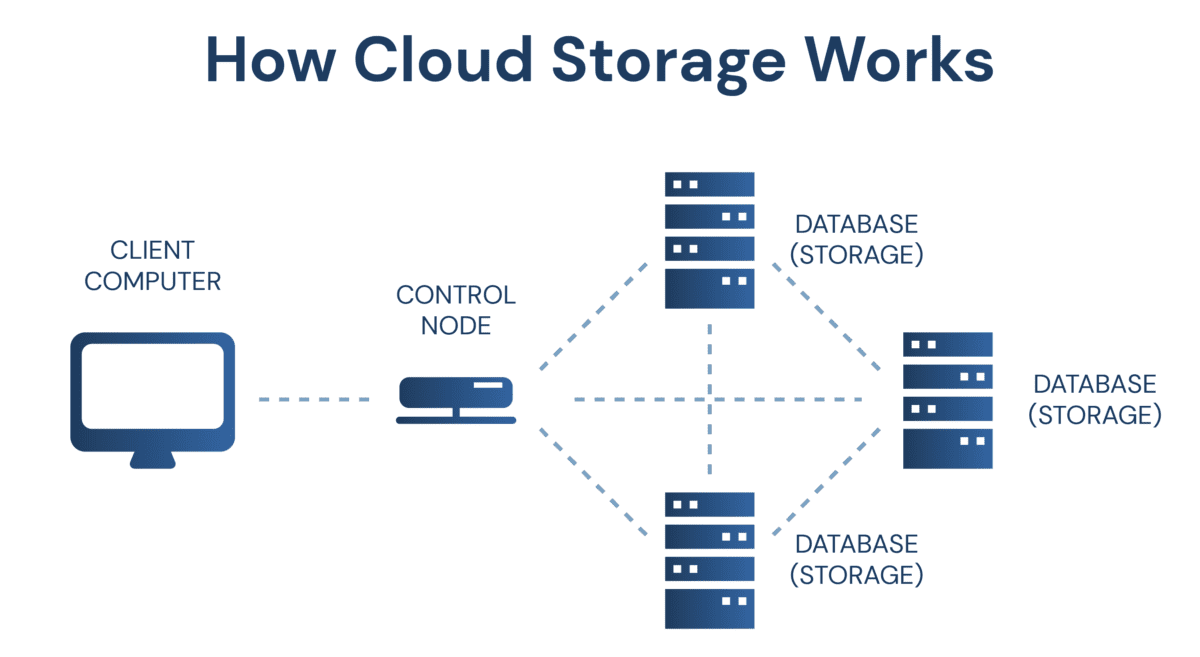
Cloud storage is a system that stores digital data on remote servers instead of your local device. These servers are managed by companies like Google, Apple, Microsoft, and Dropbox. Users can upload files to the cloud and access them over the internet from computers, smartphones, or tablets.
The "cloud" is essentially a network of servers connected to the internet, providing scalable storage space without the need for physical hardware at your home.
How Data Is Stored and Organized
When you upload a file to the cloud, it is broken down into small pieces called data blocks. These blocks are encrypted for security and distributed across multiple servers. This ensures that even if one server fails, your data remains accessible from other locations.
Cloud providers also organize files in a structured way, often using metadata such as file names, timestamps, and access permissions. This allows users to quickly search, retrieve, and manage their data.
Accessibility and Convenience
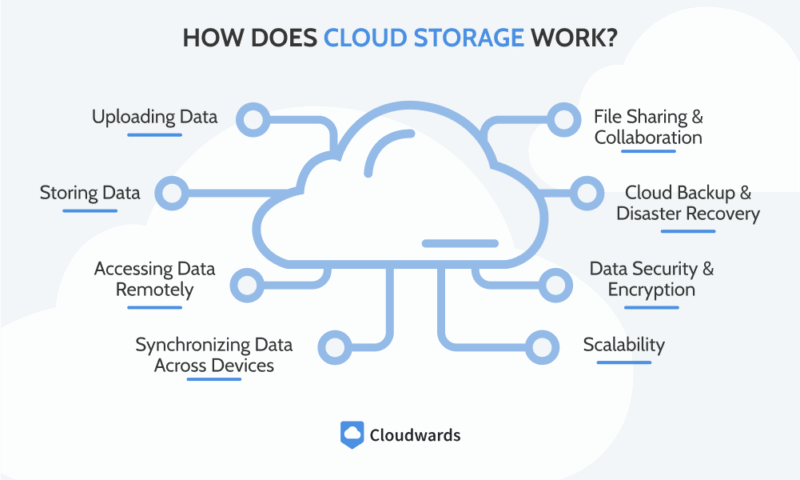
One of the biggest advantages of cloud storage is accessibility. You can access your files from anywhere with an internet connection, making it ideal for remote work, collaboration, and sharing. Multiple users can work on the same document simultaneously, and changes are updated in real time.
This level of convenience has transformed how people handle personal and professional data, making it easier than ever to stay connected and productive.
Security Measures in Cloud Storage
Security is a major concern for cloud users. Reputable cloud providers implement multiple layers of protection:
-
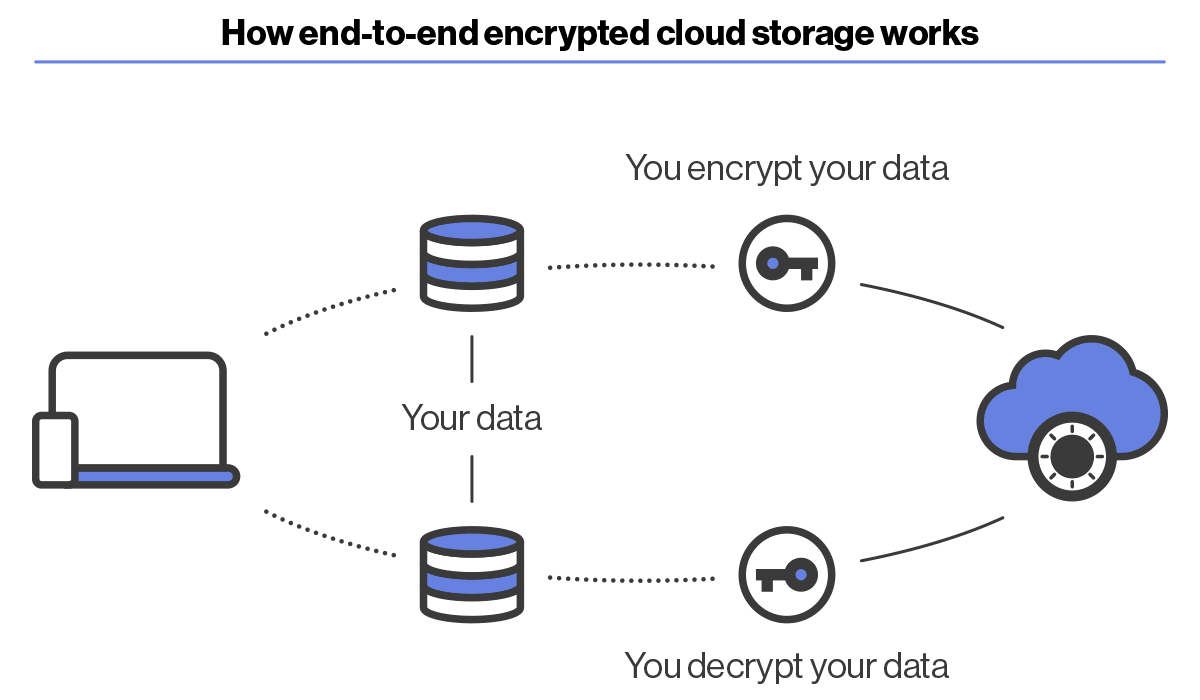
Encryption: Files are encrypted during upload and storage, ensuring only authorized users can access them.
-
Authentication: Two-factor authentication (2FA) adds an extra layer of security to prevent unauthorized access.
-
Redundancy: Data is replicated across multiple servers to prevent loss due to hardware failure or natural disasters.
Understanding these measures helps users trust cloud storage for sensitive information.
Common Types of Cloud Storage
Cloud storage can be categorized into three main types:
-
Public Cloud: Managed by third-party providers and shared among multiple users. Cost-effective and scalable.
-
Private Cloud: Dedicated infrastructure for a single organization. Offers greater control and privacy.
-
Hybrid Cloud: Combines public and private clouds to balance security, cost, and flexibility.
Different storage types cater to varying needs, from individual users to large corporations.
How Cloud Storage Impacts Everyday Life
Cloud storage is integrated into many daily activities:
-
Saving photos and videos from smartphones
-
Backing up important documents automatically
-
Sharing large files without email attachments
-
Collaborative work on documents, spreadsheets, and presentations
Its impact on productivity, organization, and convenience cannot be overstated.
Performance and Speed Considerations
Accessing files in the cloud relies on internet speed. Slow or unstable connections can delay uploads and downloads. Cloud providers also optimize performance through Content Delivery Networks (CDNs) and server locations close to users.
Regular maintenance, such as deleting unnecessary files and organizing folders, helps ensure smooth performance and prevents unnecessary storage costs.
Cost and Storage Limits
Many cloud providers offer free storage tiers, with options to purchase additional space. Costs vary depending on storage size, data transfer, and additional services like advanced security or backup features. Users should evaluate their needs carefully to select a plan that balances storage capacity and budget.
Challenges and Considerations
While cloud storage is convenient, there are some considerations:
-
Dependence on internet connectivity
-
Privacy and compliance issues for sensitive data
-
Risk of vendor lock-in if switching providers
-
Managing multiple accounts and subscriptions
Being aware of these challenges helps users make informed decisions about using cloud storage effectively.
The Future of Cloud Storage
The future of cloud storage looks promising as technology continues to evolve. Innovations like edge computing, artificial intelligence, and blockchain-based storage are enhancing both speed and security. Edge computing allows data to be processed closer to the user, reducing latency and improving access times. AI can optimize storage allocation and automatically organize files, making it easier to find and manage data. Blockchain technology introduces decentralized storage options, which can further protect sensitive information from unauthorized access or tampering. These advancements suggest that cloud storage will become even more reliable, faster, and smarter, offering users seamless experiences across devices.
Advancements in Cloud Security
Cloud storage providers are continually improving security measures to protect user data. Modern systems use advanced encryption algorithms, regular security audits, and machine learning to detect suspicious activity. Multi-factor authentication and access controls further safeguard sensitive information. These innovations not only protect against hacking but also provide peace of mind for users storing personal, financial, or professional data in the cloud.
Integration with Other Technologies
Cloud storage is increasingly integrated with other technologies like AI, IoT, and collaboration platforms. This integration allows users to automate backups, synchronize data across multiple devices, and collaborate in real time on documents. Smart tools can analyze stored data, optimize storage usage, and improve efficiency, making cloud storage not just a storage solution but a central hub for managing digital life.
Final Thoughts
Cloud storage revolutionizes how we store, access, and share data. By understanding how it works, users can leverage its benefits while protecting security and optimizing performance. From personal backups to large-scale business operations, cloud storage offers flexibility, convenience, and peace of mind in the digital age.