


Air travel is a major part of modern life, connecting people, businesses, and cultures across the globe. However, in 2025, many travelers have noticed a significant increase in flight prices, prompting questions like: “Why are plane tickets so expensive right now?” and “Is this trend going to continue?”
Understanding the reasons behind rising airfare can help travelers make informed decisions and manage travel budgets more effectively. This article breaks down the causes of high flight prices, the factors affecting airline operations, and what this could mean for travelers in the near future — all in clear, easy-to-understand language.
What is happening with flight prices?
Flight prices in 2025 have increased sharply in many countries, both for domestic and international travel. For some routes, ticket costs have exceeded historical averages, surprising even frequent travelers.
The surge in prices is not random. It reflects a combination of economic, operational, and global factors that together create an environment of high demand and limited supply. Airlines face rising costs, passengers are traveling more, and global uncertainties are affecting overall market stability.
Why are flight prices rising?
Several key factors contribute to the upward trend in airfare:
1️⃣ Rising fuel costs
Jet fuel is one of the largest expenses for airlines. Global oil prices have risen due to a combination of geopolitical tensions, supply constraints, and fluctuating demand. When fuel costs increase, airlines usually pass a portion of these expenses to passengers in the form of higher ticket prices.
2️⃣ Inflation
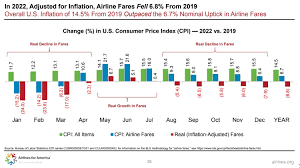
Inflation affects many aspects of airline operations, including airport fees, maintenance, staff salaries, and in-flight services. As costs rise, ticket prices adjust accordingly to ensure airlines remain profitable. High inflation in multiple economies has directly impacted operational costs for carriers worldwide.
3️⃣ Increased demand
After years of travel restrictions and pandemic-related limitations, pent-up travel demand has surged. Many people are traveling for business, leisure, or family reasons, creating competition for available seats. Higher demand naturally leads to higher ticket prices.
4️⃣ Labor shortages
Airlines across the globe are experiencing staffing challenges. Shortages of pilots, flight attendants, ground staff, and air traffic controllers can reduce capacity and efficiency. Limited personnel can result in fewer available flights or reduced seat availability, indirectly pushing prices higher.
5️⃣ Supply chain and fleet limitations
Airline fleets are dependent on complex supply chains for aircraft, parts, and maintenance. Delays in aircraft manufacturing, spare parts shortages, or logistical disruptions can limit the number of flights an airline can operate, creating a supply-demand imbalance that raises prices.
How global events influence airfare
Flight prices are highly sensitive to international events. Even small disruptions can ripple across the aviation industry:
-
Geopolitical conflicts: Wars, tensions, and sanctions can increase fuel costs or restrict flight paths.
-
Economic uncertainty: Fluctuations in global economies influence demand, pricing strategies, and airline operations.
-
Natural disasters or pandemics: Unpredictable events can disrupt schedules, reduce capacity, and drive ticket prices higher.
Travelers may notice sudden spikes in airfare due to these events, sometimes weeks or months before they occur.
How airlines determine ticket prices
Airlines use dynamic pricing systems, which adjust ticket costs based on multiple factors:
-
Time until departure: Last-minute bookings often cost more.
-
Route popularity: High-demand routes tend to have higher fares.
-
Historical booking patterns: Airlines analyze past trends to optimize pricing.
-
Seasonal factors: Holidays, school vacations, and peak travel periods can increase costs.
Understanding these dynamics helps travelers identify opportunities for cheaper tickets and avoid paying inflated prices unnecessarily.
How technology affects airfare
Modern airline pricing relies heavily on advanced algorithms and AI. These systems continuously track demand, competitor pricing, and market conditions to adjust fares in real time.
While this can benefit airlines with higher profits, it can also create rapid price fluctuations for consumers. A ticket that costs $300 in the morning might jump to $450 by evening for the same flight.
The role of government policies
Government regulations also influence flight prices:
-
Taxes and fees: Airports, local authorities, and international regulations impose fees that airlines incorporate into ticket costs.
-
Environmental policies: Carbon taxes or fuel efficiency mandates can increase operational costs.
-
Airline licensing and route restrictions: Limited rights to operate in certain regions may reduce competition and raise fares.
Travelers may not always notice these factors, but they significantly affect pricing structures behind the scenes.
Impact on travelers
Rising airfare has practical consequences for travelers:
-
Budgeting challenges: Individuals and families may need to plan earlier and allocate more funds for travel.
-
Shift to alternative transport: Some passengers may opt for trains, buses, or car travel for shorter distances.
-
Change in travel behavior: People might reduce the number of trips or shorten vacation durations.
-
Tourism effects: Countries dependent on tourism could see fewer visitors, impacting local economies.
Being aware of these factors can help travelers make strategic choices to reduce costs and avoid unpleasant surprises.
Tips for managing high flight costs
Even in a high-price environment, travelers can take steps to save money:
-
Book early: Advance bookings often provide the best rates.
-
Flexible travel dates: Flying on weekdays or off-peak periods can lower costs.
-
Alternative airports: Nearby airports may offer cheaper flights.
-
Price tracking tools: Apps and websites can alert travelers when fares drop.
-
Consider connecting flights: Indirect flights are sometimes cheaper than direct routes.
-
Travel light: Reducing luggage and additional fees can help save money.
What could happen next?
Experts suggest several scenarios for the near future:
-
Fuel costs may stabilize: A decrease in oil prices could help reduce ticket costs.
-
Competition may increase: New airlines or low-cost carriers entering markets can drive prices down.
-
Fleet upgrades: More fuel-efficient aircraft could lower operational costs and fare prices.
-
Economic conditions: Inflation and global demand will continue to influence airfare trends.
While some relief may be possible, high prices are expected to persist until global economic and operational factors stabilize.
In simple terms, what does this mean?
In simple terms, flight prices are high because of a combination of fuel costs, inflation, high demand, labor shortages, and global events. Travelers should expect elevated costs in 2025 but can reduce the impact by planning carefully, using technology, and being flexible with travel arrangements.
This trend highlights how closely airline pricing is tied to broader economic, operational, and geopolitical realities.