

Visual Stories allow audiences to experience narratives through imagery, atmosphere, and sequential events. One of the most captivating types of visual storytelling involves exploring abandoned spaces that carry traces of past lives. This article presents a visual story titled The House That Welcomes No Strangers, following a character spending a night in a deserted house where each room tells a unique story from the past. The story unfolds purely through visuals and the emotions they evoke, making it both mysterious and immersive for international audiences. 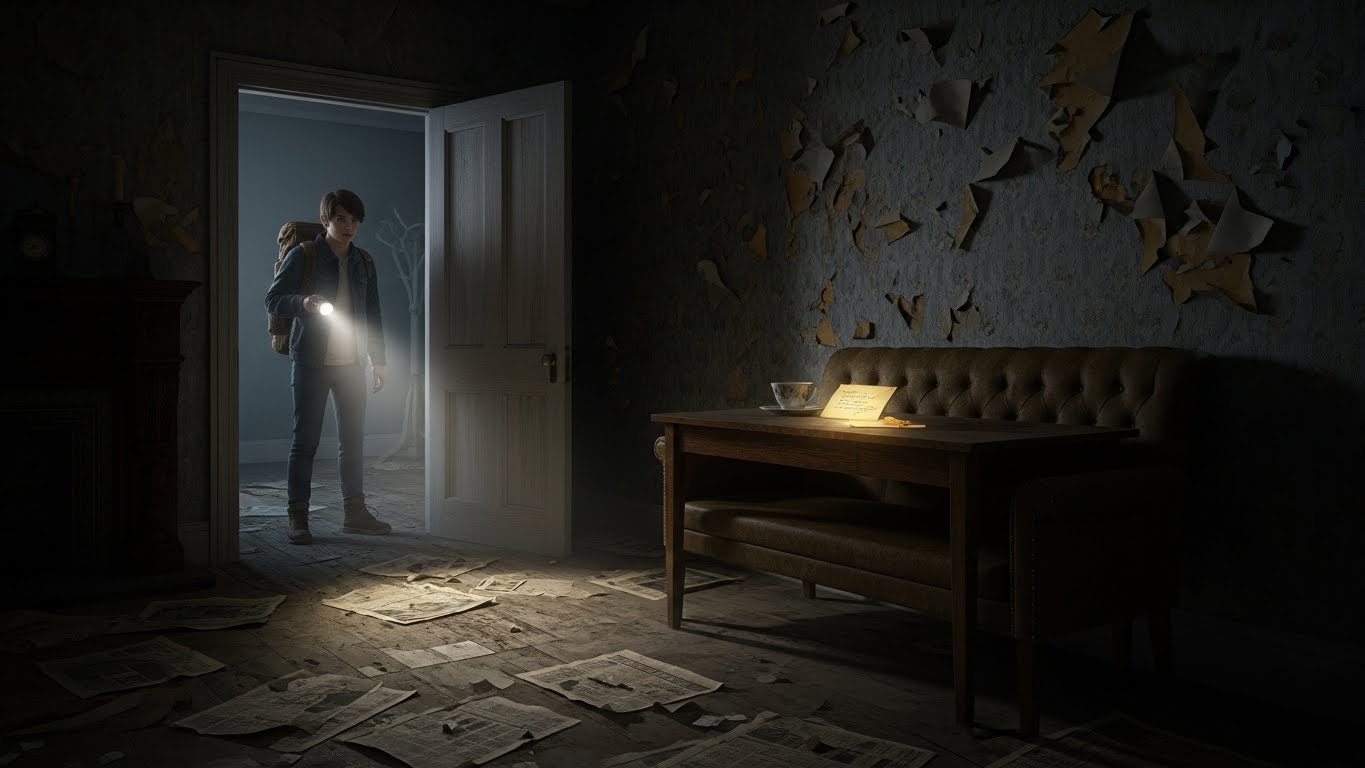
Setting the Scene: The Abandoned House
The story begins with a wide shot of the house exterior. The building is weathered, windows broken, and the paint peeling, evoking a sense of neglect and history. The environment sets a tone of intrigue, hinting that the house holds secrets waiting to be discovered.
Fog rolls along the ground and dim moonlight touches the walls, emphasizing the eerie atmosphere. The visual introduction immediately tells the viewer that this house is unwelcoming yet deeply intriguing.
Entering the Unknown
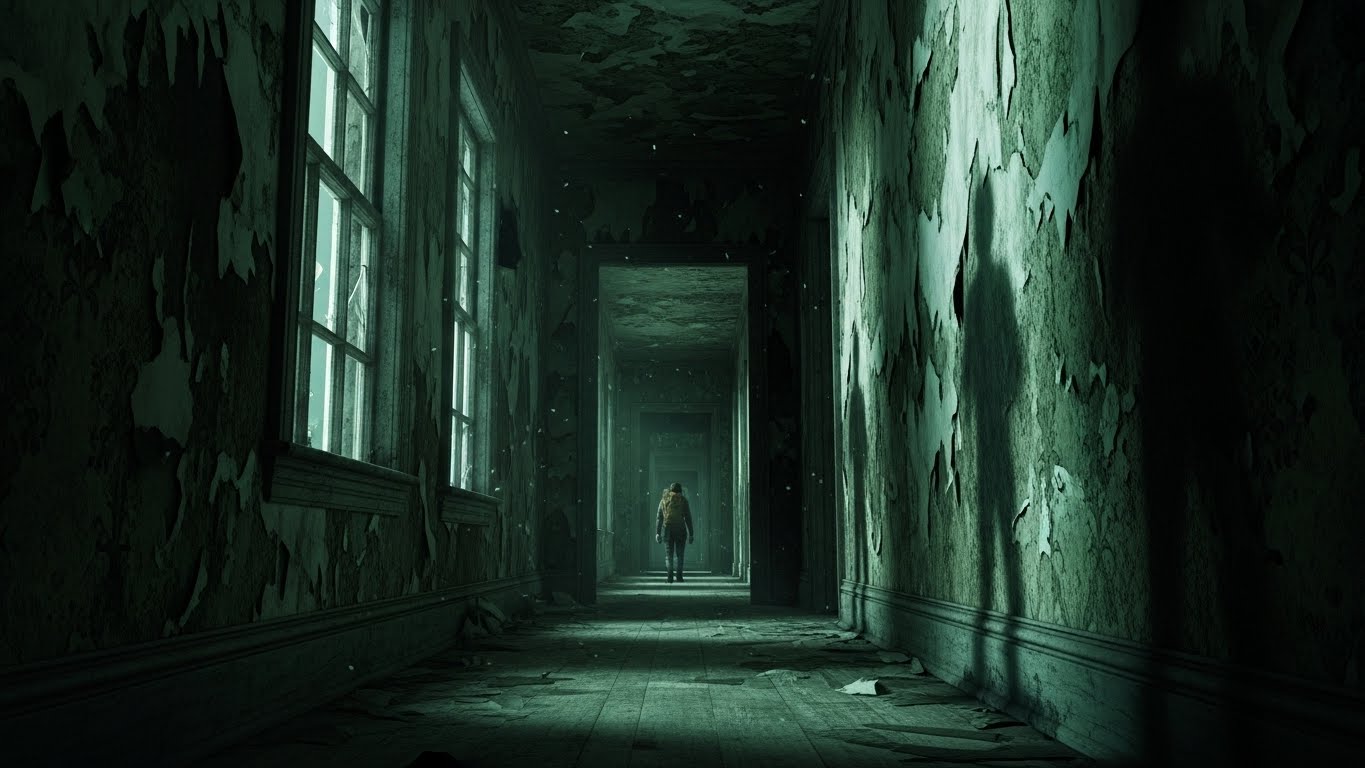
Our protagonist steps through the creaking front door. The camera follows from behind, giving the audience a first-person perspective. Dust motes float in the air, cobwebs cling to corners, and the floorboards groan underfoot.
This moment establishes tension. Every creak or shadow implies history and hidden stories. Visual storytelling relies on such atmospheric details to evoke curiosity and suspense.
The First Room: A Message in Silence
The character enters the first room, sparsely furnished with a broken chair and a dusty table. A letter lies on the table, faded but legible. The camera zooms slowly on its words without revealing the full text immediately, letting viewers wonder about its significance.
The visuals communicate a past presence. A framed photograph hangs crooked on the wall, showing a family long gone. The combination of objects and decay suggests a story without the need for dialogue.
The Second Room: Echoes of Laughter
In the next room, remnants of joy linger: a small toy on the floor, an old music box, and faded wallpaper decorated with children’s drawings. The protagonist moves cautiously, highlighting the contrast between past happiness and present emptiness.
Close-up shots emphasize textures—the worn fabric of a doll, scratches on the floor, and cracked paint. These details visually narrate a history of life, laughter, and gradual abandonment.
The Third Room: Secrets and Shadows
This room is darker, with heavy curtains and minimal light. Shadows stretch across walls, suggesting hidden corners and mysteries. The protagonist finds cryptic notes pinned to the wall, each containing fragments of personal stories.
Through sequential visuals, the audience begins to piece together the lives once lived here. The house, while silent, communicates its past vividly, relying on visual cues rather than spoken words.
The Fourth Room: Confronting the Past
In this room, a large mirror reflects the protagonist, creating a dual perspective. The mirror symbolizes reflection, both literal and emotional, as the character confronts the lingering presence of the house’s history.
Visual storytelling uses reflections, light contrasts, and angles to deepen the mood. Here, the past and present merge visually, showing how the abandoned space impacts the visitor emotionally. 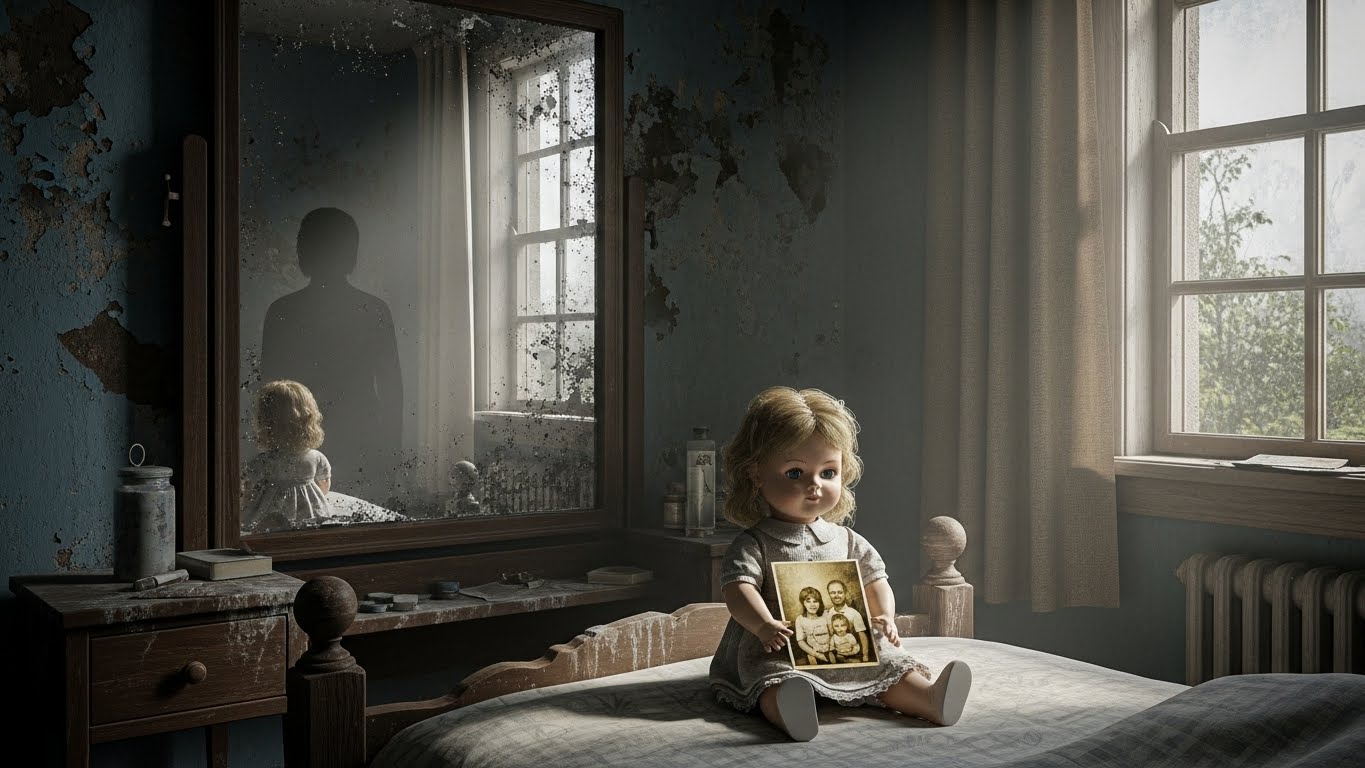
Midnight: The Heart of the House
The protagonist reaches the central hall, where multiple doors open to different rooms. Each room reveals fragments of stories: old letters, photographs, personal belongings, and architectural decay. The narrative rhythm slows, giving the audience time to absorb the weight of history.
Lighting becomes crucial here. Faint moonlight from broken windows, flickering candlelight, and shadows create a visual symphony, emphasizing isolation and reflection.
Encounters with the Unexpected
The house is not empty in spirit. The protagonist senses fleeting movements or hears distant echoes, all conveyed visually through subtle blurs, shadows, or objects slightly shifted. These moments increase tension without showing anything overtly supernatural.
By letting the audience’s imagination fill in gaps, the story becomes immersive and suspenseful. Visual storytelling is most effective when it engages the viewer’s mind actively.
Discovering the Final Message
In the last room, the protagonist discovers a diary or collection of personal items left intentionally. The visuals focus on open pages, handwritten notes, and meaningful objects arranged to communicate a poignant story of hope, regret, or memory.
This room serves as the emotional climax. The audience feels a connection to the past lives that once animated the house. The visual narrative is now complete, delivering both suspense and emotional depth.
Leaving the House
As dawn approaches, the protagonist walks toward the front door. The camera captures the exterior as light slowly touches the walls, highlighting textures previously hidden in darkness. The house remains silent but visually transformed by the events of the night.
This ending visually reinforces the theme: the house is a vessel of memory, welcoming only those willing to engage with its stories silently.
Why This Visual Story Captivates
The strength of The House That Welcomes No Strangers lies in its reliance on imagery and atmosphere. Each room communicates a unique message without dialogue, allowing a global audience to interpret and feel the story.
The sequential exploration of spaces, focus on details, and careful lighting and composition create an emotional journey. It exemplifies the power of visual storytelling to evoke curiosity, empathy, and suspense.
Adapting the Story for Modern Visual Media
This story can be adapted into short films, animated sequences, interactive experiences, or VR tours. Each room can serve as a scene, maintaining narrative clarity while providing rich visual engagement.
Sequential visuals and careful pacing make it suitable for platforms like YouTube, reels, or storytelling blogs, where attention is limited, and visual impact is key.
Lessons from the Abandoned House
The story teaches that spaces carry memory and emotion. Even without people, a house can communicate through objects, decay, and layout.
Visual storytelling emphasizes showing rather than telling, allowing audiences to draw meaning and form emotional connections on their own.
Final Thoughts
The House That Welcomes No Strangers is more than a narrative of an abandoned building—it is a meditation on memory, isolation, and human presence. Through careful visual sequencing, the story immerses audiences in suspense, discovery, and emotional resonance.