

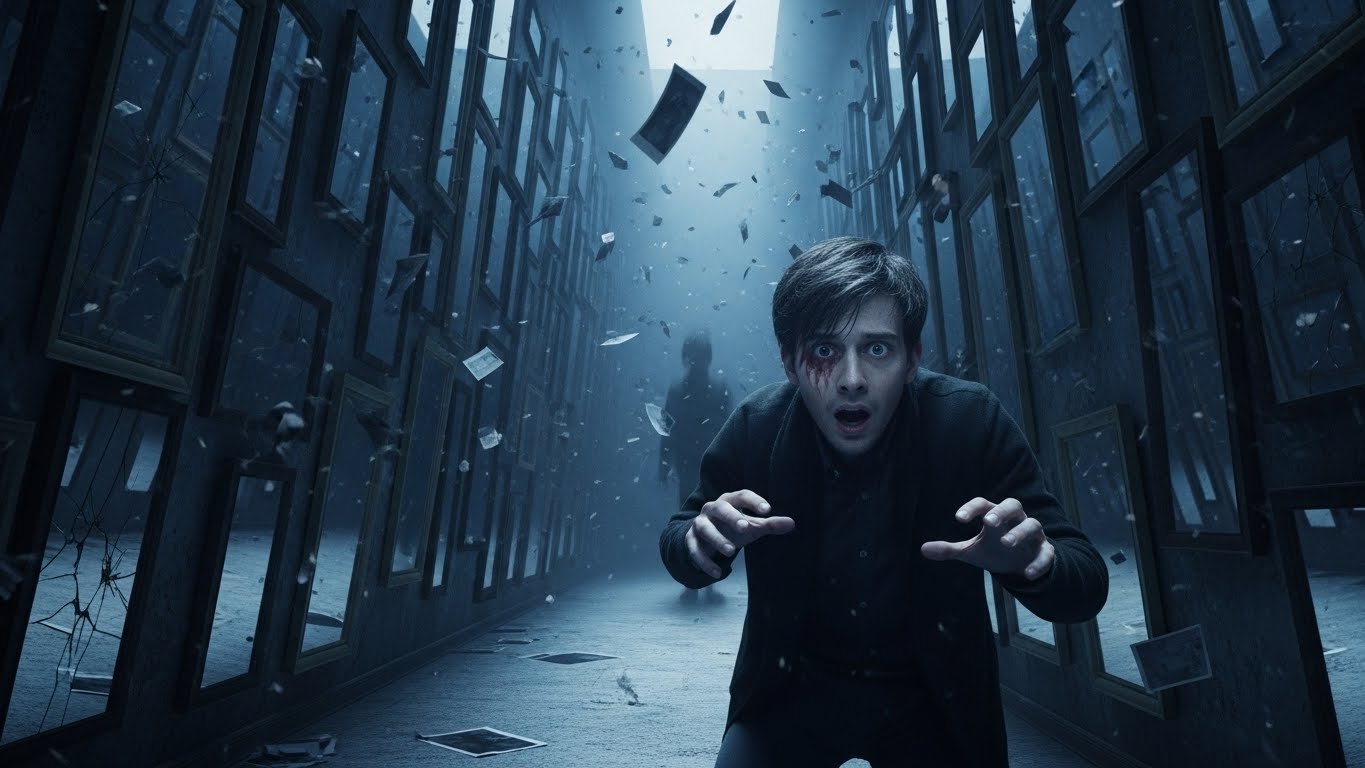
Visual storytelling is a compelling method for immersing audiences in suspense and mystery. One of the most chilling concepts involves hidden passages that reveal themselves only under specific conditions. This article presents a visual story titled The Corridor That Appears Only After Midnight, following a protagonist who discovers a small door in their house that opens to an endless corridor, accessible only after midnight. Each step down this corridor reveals progressively unsettling events, making the story gripping and immersive.
The Discovery of the Door
The story begins with a quiet evening in the protagonist’s home. Ambient lighting is dim, casting long shadows across the walls. A subtle creaking sound draws attention to a small, previously unnoticed door. Wide-angle shots reveal the ordinary house setting, contrasted by the mysterious door.
Close-ups of the protagonist’s hand reaching for the doorknob, combined with subtle changes in lighting, establish tension. The door itself visually communicates secrecy and invites curiosity.
Entering the Corridor
Once the door is opened, the corridor is revealed. Its dimensions are narrow, dark, and seemingly endless. Visual storytelling emphasizes perspective: converging lines, receding walls, and flickering lights convey depth and unease.
The first steps are cautious. Camera angles shift to show both the protagonist’s view and the corridor’s mysterious details, such as cobwebs, distant shadows, or faint noises, creating suspense without explicit explanation. 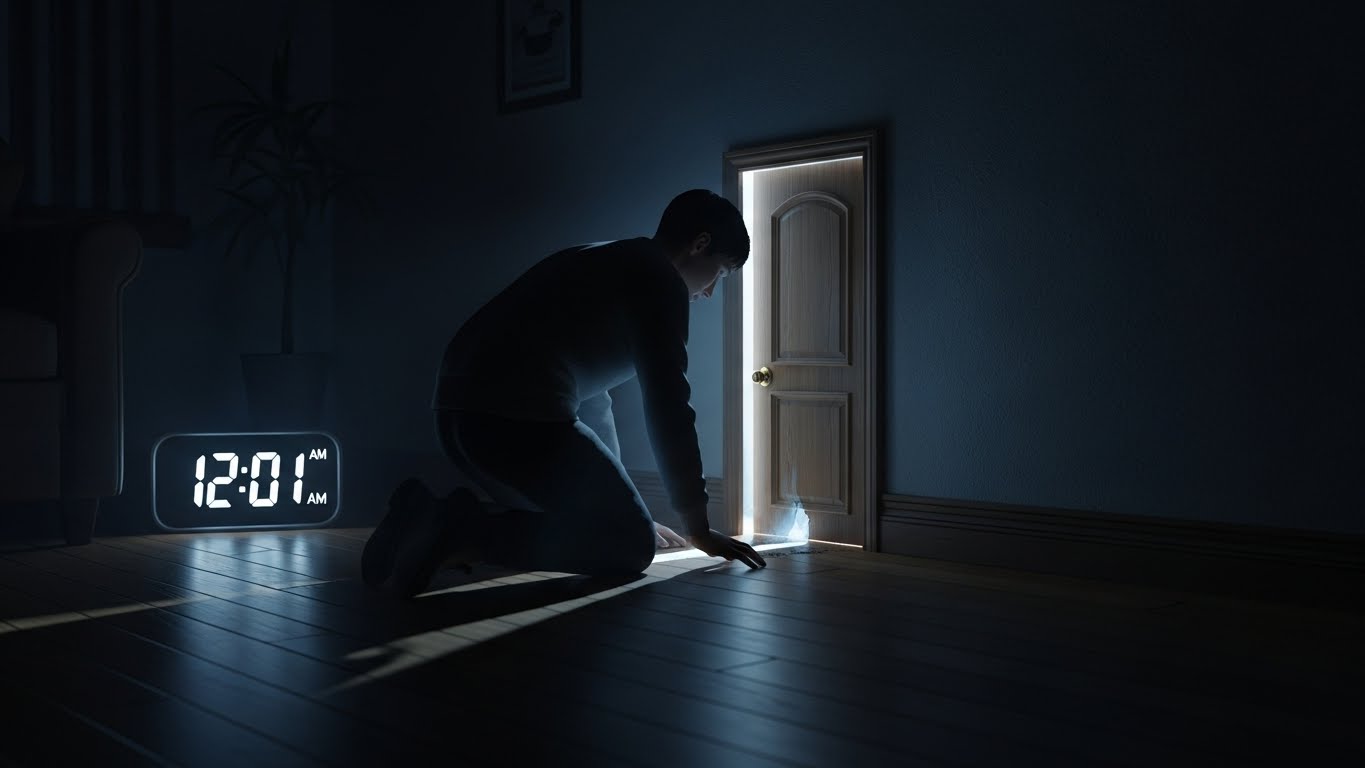
Sequential Unfolding of Events
As the protagonist walks deeper, each segment of the corridor reveals increasingly unsettling elements. Broken furniture, distorted mirrors, or shadowy figures may appear. The story uses sequential visuals to convey progression, allowing the audience to anticipate danger and feel suspense.
Close-up shots of hands touching walls, trembling footsteps, or subtle reflections heighten tension. Lighting changes, from dim to near-darkness, emphasize the corridor’s unpredictable nature.
Psychological Tension
The protagonist experiences fear, uncertainty, and growing anxiety. Visual cues such as sweat, widened eyes, and quickened steps communicate emotion effectively. Camera angles—like over-the-shoulder shots or tracking shots—immerse the audience in the protagonist’s experience.
By showing reactions rather than telling, the story leverages visual storytelling to build a psychological connection with the audience.
Uncovering Hidden Secrets
Further along the corridor, subtle hints of the house’s past and dark secrets appear. Cryptic symbols, fragments of notes, or personal belongings suggest a hidden narrative. Sequential visuals allow the audience to piece together the story gradually.
This method maintains mystery while providing emotional and intellectual engagement, a hallmark of effective visual storytelling.
The Climax: Facing the Unseen
As the corridor seems to stretch infinitely, the protagonist encounters the most disturbing revelations. Flickering shadows, sudden noises, and objects moving independently create a crescendo of suspense. The visuals intensify: tight framing, rapid cuts, and stark contrasts between light and shadow amplify tension.
The audience experiences fear and anticipation simultaneously, fully immersed in the corridor’s threatening atmosphere.
Resolution and Reflection
Eventually, the protagonist reaches a threshold or returns to the familiar part of the house. The camera shows a wide shot of the room, now appearing calm and safe, yet the faint lingering shadows remind viewers of the corridor’s lasting presence.
This resolution emphasizes reflection and the duality of safety versus hidden danger. The audience is left contemplating the corridor’s existence and the events observed.
Why This Visual Story Works
“The Corridor That Appears Only After Midnight” is compelling because it relies on atmosphere, sequential visual progression, and psychological tension. The narrative unfolds visually, allowing viewers to engage actively, interpret events, and experience suspense without dialogue.
The story’s universal themes of fear, curiosity, and the unknown make it accessible to a global audience, while the visual structure supports adaptation for films, animations, or social media storytelling.
Adapting for Modern Visual Platforms
This story can be converted into a short film, animated sequence, or vertical video series. Each corridor segment can serve as a scene, with visual cues and pacing controlling suspense. The sequential unfolding ensures that viewers remain engaged throughout. 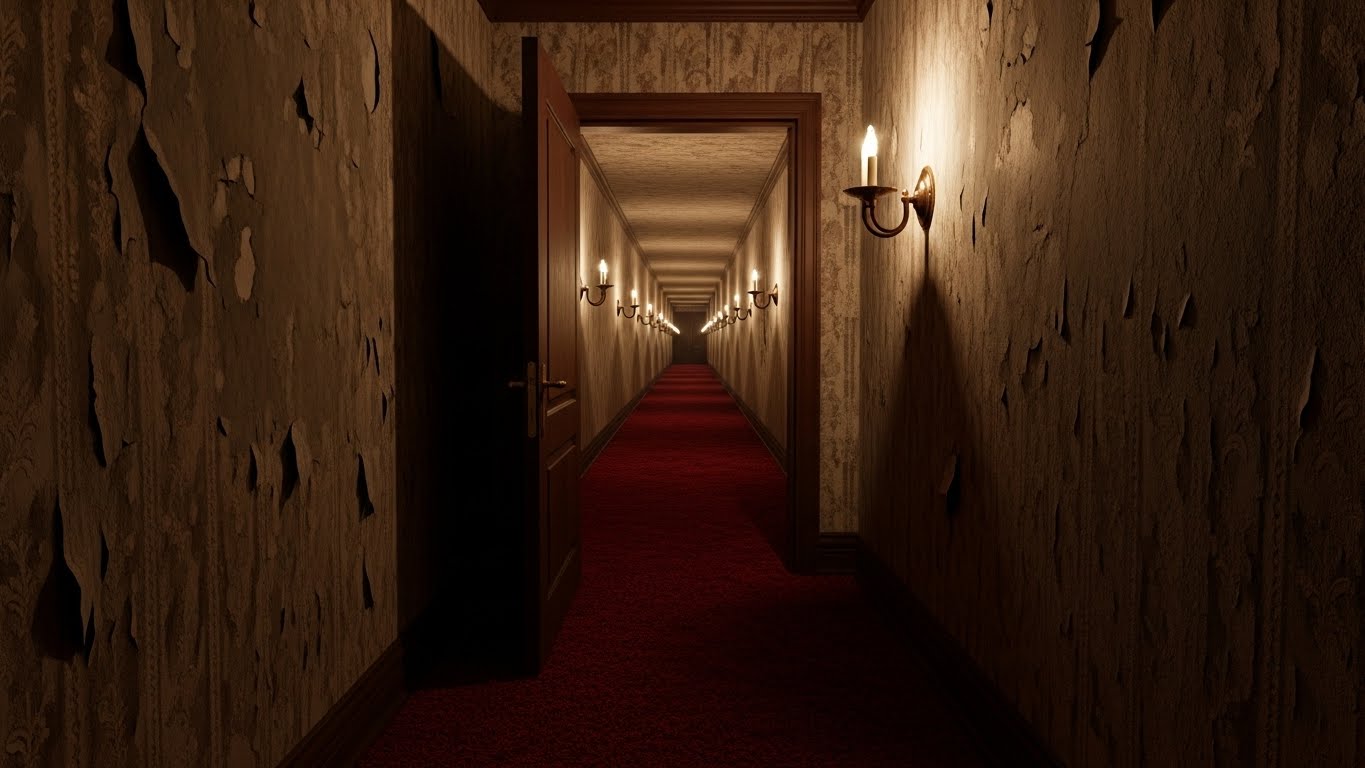
Lessons and Themes
The story demonstrates the power of visual storytelling to communicate suspense, mystery, and psychological tension. It highlights how ordinary settings can become sources of fear when framed through perspective, lighting, and sequential narrative.
Additionally, it explores themes of curiosity, the unknown, and the consequences of exploration, making it emotionally and intellectually engaging.
Final Thoughts
The Corridor That Appears Only After Midnight is an immersive visual story blending suspense, mystery, and psychological tension. Through careful sequencing, atmospheric visuals, and progressive revelations, it captivates audiences and exemplifies the power of visual storytelling for a global audience.