

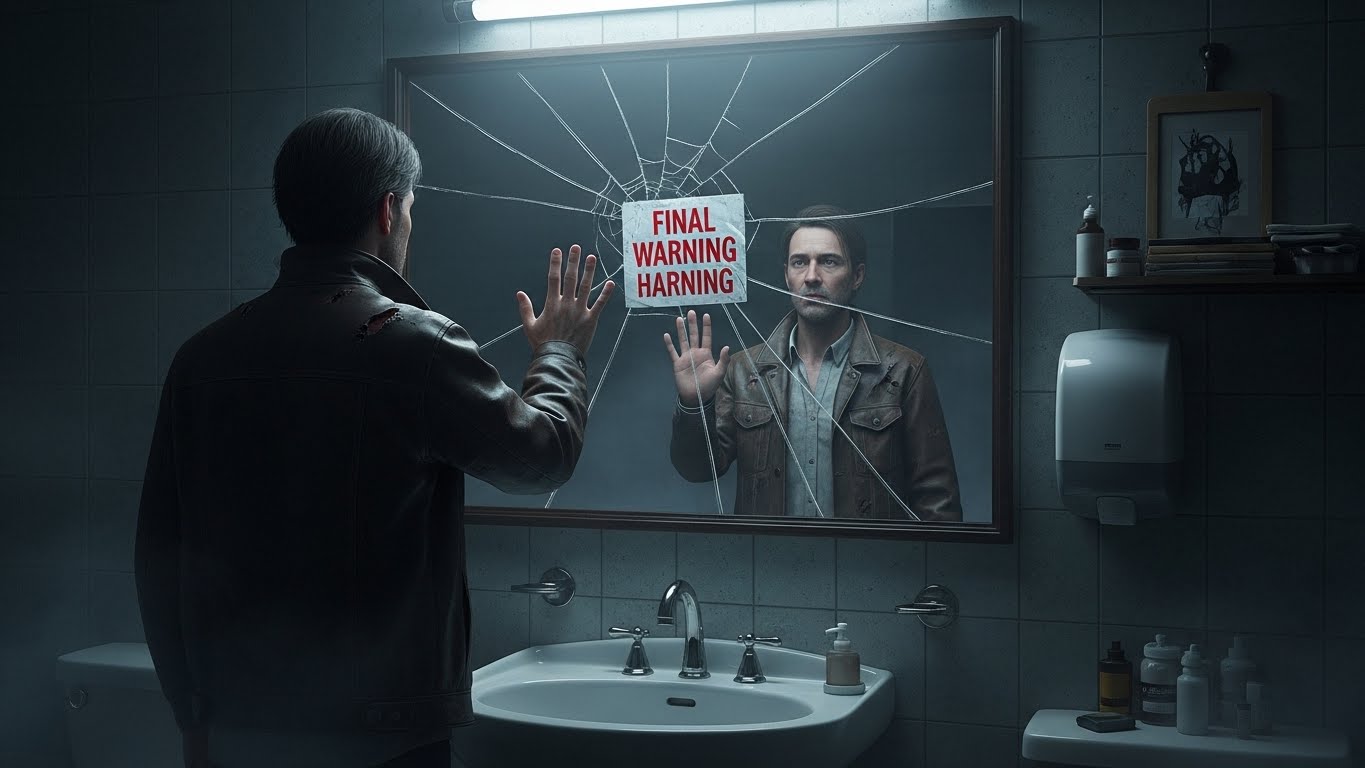
Visual storytelling captivates audiences by showing rather than telling, using imagery, sequence, and atmosphere to convey narrative depth. One of the most thrilling applications of this storytelling method is the concept of receiving messages from the future. This article presents a visual story titled “Messages from the Future”, where the protagonist receives warnings from their future self, with each warning unfolding in reality. Through sequential visuals, tension, and carefully crafted suspense, the story immerses viewers in a journey of forewarning and inevitable consequence. 
The Opening: A Normal Day Turns Strange
The story begins with the protagonist engaged in their daily routine. Morning routines, commuting, or working scenes establish normalcy. The visuals convey mundane life: coffee being poured, keys jingling, and streets bustling.
Suddenly, an unexpected message arrives—a digital notification, a handwritten note, or an unusual email—signaling the first warning. The camera focuses on the protagonist’s surprised reaction, emphasizing intrigue and curiosity.
Visualizing the First Warning
The first warning is shown through a combination of visuals: the content of the message, the protagonist reading it, and foreshadowing hints in the environment. Shadows, close-ups, and subtle lighting changes indicate tension.
As the day progresses, the warning comes true. Visual storytelling highlights the unfolding event without narration—an accident, a missed opportunity, or a sudden danger. The audience feels the impact alongside the protagonist.
Escalation: Multiple Messages
More messages arrive, each with increasing urgency. The story visually represents anxiety and anticipation. Quick cuts, contrasting lighting, and perspective shifts illustrate the protagonist’s mounting concern.
Each warning is uniquely framed to enhance suspense. A rainy street, a trembling hand, or a flickering screen all contribute to an immersive experience, showing rather than telling the unfolding events.
The Emotional Journey
Alongside the suspense, the protagonist experiences fear, doubt, and determination. Close-ups of facial expressions, gestures, and interactions with surroundings communicate internal struggle visually.
Viewers connect emotionally as they anticipate the consequences of each message. The tension is maintained through pacing, composition, and visual rhythm.
Patterns and Recognition
The protagonist starts recognizing patterns in the messages. Visual cues such as highlighted phrases, repeated symbols, or timestamps provide context without verbal explanation.
This recognition moment is crucial in visual storytelling. It allows the audience to engage cognitively, piecing together hints alongside the character.
Climactic Warning
The final message contains the most critical warning. The environment darkens, camera angles become dramatic, and music or ambient sounds build tension. Every element visually emphasizes the stakes.
The audience experiences suspense as the protagonist navigates challenges, trying to prevent or survive the predicted event. The narrative relies entirely on visuals, actions, and spatial storytelling.
The Moment of Realization
As warnings come true, the protagonist realizes the inevitability of certain outcomes. Slow-motion shots, mirrored reflections, or environmental symbolism represent this realization visually.
The story uses contrast between expectation and reality to create emotional resonance. Each warning fulfilled reinforces the narrative tension and viewer engagement.
Resolution and Reflection
After the final warning, the protagonist reflects on the experience. Visual storytelling emphasizes contemplation through framing, lighting, and composition. Perhaps they read the last message, watch the sunrise, or observe their surroundings quietly.
This ending provides closure while maintaining an element of mystery. The audience is left contemplating the impact of choices and the inevitability of certain events, fully immersed in the visual journey.
Why This Visual Story Works
“Messages from the Future” succeeds because it combines suspense, emotion, and visual clarity. Sequential imagery allows the audience to follow the story intuitively, without heavy exposition.
The story’s universal theme of consequences and self-awareness resonates across cultures. Its suspenseful pacing and immersive visuals make it ideal for adaptation into video formats, animations, or interactive media. 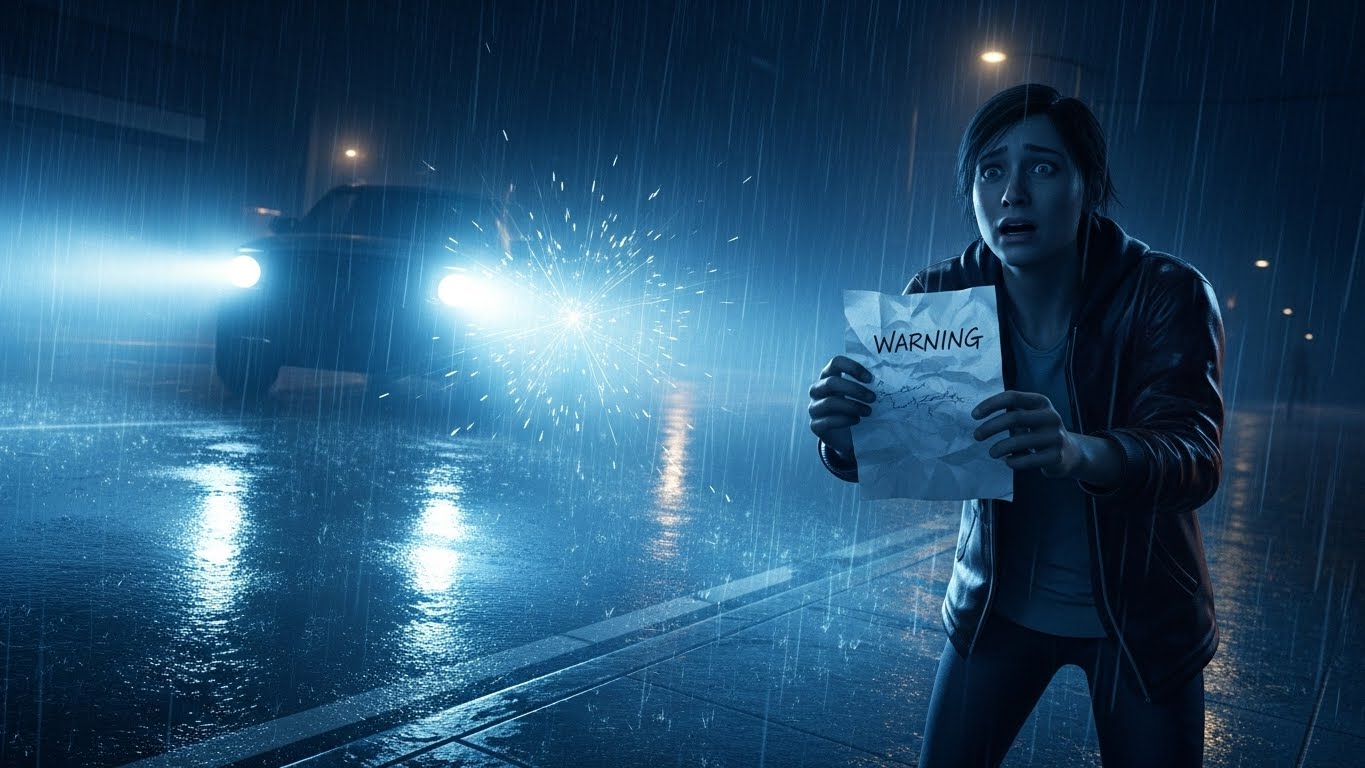
Adapting for Visual Platforms
This story can be transformed into short films, reels, or motion graphics. Each warning is a scene, and visual emphasis on perspective, lighting, and timing ensures engagement. The sequential structure makes it highly suitable for social media storytelling.
Lessons and Takeaways
The narrative demonstrates that visual storytelling can convey complex ideas—like time, causality, and consequence—without relying on text or dialogue. It shows how visual cues can lead to deep emotional engagement and suspense.
Final Thoughts
Messages from the Future is a compelling visual story that explores foresight, anxiety, and the human desire to change outcomes. Through sequential imagery, tension, and immersive visuals, it captivates the audience and leaves a lasting impression.
The story exemplifies how well-executed visual storytelling can make abstract concepts tangible, emotional, and memorable for a global audience.