


Online advertising often feels surprisingly accurate. A product you recently searched for suddenly appears in ads across websites and social media platforms. While this experience can seem unsettling, the process behind it is far more systematic—and less personal—than many people think.
This article explains how online advertising understands user interests, how data is used responsibly, and why ads feel so closely aligned with everyday behavior.

The Foundation of Modern Online Advertising
Online advertising is built on relevance. Advertisers want to show the right message to the right audience at the right time. Platforms, in turn, want ads to feel useful rather than intrusive.
To achieve this, advertising systems rely on data patterns, not personal identities. The goal is not to know who you are, but to understand what types of content and products are likely to interest users with similar behaviors.
Behavioral Data: The Key Signal
The most important factor in ad targeting is behavioral data. This includes how users interact with websites, apps, and digital content.
Common signals include:
-
Searches performed on search engines
-
Pages visited on websites
-
Products viewed or added to carts
-
Videos watched and time spent watching
-
Ads clicked or ignored
Each interaction helps build a behavioral profile that reflects interests rather than personal details.
Cookies and Tracking Technologies Explained
Cookies are small data files stored in a browser. They help websites remember preferences, login sessions, and browsing behavior.
Advertising platforms use cookies and similar technologies to:
-
Measure ad performance
-
Avoid showing the same ad repeatedly
-
Understand browsing patterns across sites
Modern privacy regulations require transparency, which is why users now see cookie consent banners on most websites.
Interest-Based Advertising in Practice
Interest-based advertising groups users into broad categories such as:
-
Technology enthusiasts
-
Frequent travelers
-
Online shoppers
-
Sports fans
Advertisers select these categories rather than targeting individuals directly. If a user’s behavior aligns with a category, they may see ads related to that interest.
This approach allows ads to remain relevant without relying on sensitive personal information.
Why Ads Follow Users Across Platforms
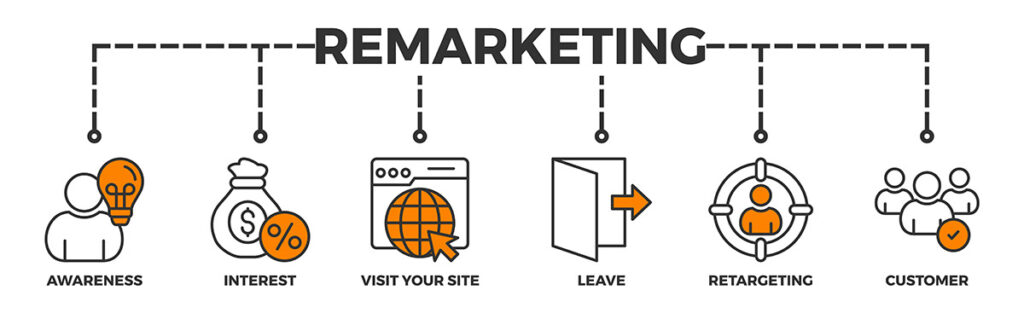
Many websites and apps use shared advertising networks. When a user interacts with content on one site, that information can influence ads shown on another.
This creates the impression that ads are “following” users. In reality, ad systems are responding to recent signals and interest patterns, not tracking individuals personally across the internet.
The Role of Algorithms and Machine Learning
Advertising platforms rely heavily on algorithms and machine learning models. These systems analyze massive datasets to predict which ads are most likely to perform well.
If users consistently engage with certain types of ads, the system learns and prioritizes similar ones in the future. If ads are ignored, their visibility decreases.
This constant optimization helps advertisers reduce wasted impressions and improves the overall ad experience.
Do Ads Listen Through Microphones?
One of the most common myths is that smartphones listen to conversations to deliver ads. In reality, this practice would violate platform policies and privacy laws.
Ads feel accurate because:
-
Searches and browsing behavior provide strong signals
-
Algorithms detect patterns faster than users expect
-
Interests often align with recent online activity
The perception of being “listened to” comes from coincidence combined with effective targeting—not audio surveillance.
Location Data and Contextual Signals
Location data can play a role in advertising, especially for local businesses. Ads may be shown based on:
-
City or country
-
Language settings
-
Time of day
For example, restaurant ads may appear during lunch hours, or travel ads may increase during holiday seasons. These contextual signals improve relevance without identifying individuals.
Privacy Controls and User Choice
Modern platforms provide users with tools to manage ad preferences. Users can:
-
Limit personalized ads
-
Remove interest categories
-
Clear cookies and browsing data
-
Adjust privacy settings within apps
These controls allow users to influence how ads are delivered while still supporting free online services.
Why Ads Fund Free Content
Advertising revenue supports much of the free internet. News websites, social platforms, and mobile apps rely on ads to operate without charging users directly.
Relevant ads perform better than random ones, which is why platforms invest heavily in understanding user interests responsibly.
This balance helps maintain access to free information while supporting content creators and services.
Understanding Ads Reduces Frustration
When users understand how advertising works, it becomes less intrusive and more predictable. Ads are not personal judgments or invasive surveillance—they are automated responses to digital behavior patterns.
Awareness helps users make informed decisions about privacy settings and online habits.
Final Thoughts
Online advertising understands user interests through data patterns, not personal identities. By analyzing behavior, engagement, and context, advertising systems deliver relevant messages efficiently and at scale.
Rather than being mysterious or invasive, modern advertising is a calculated system shaped by algorithms, user choices, and clear privacy boundaries. Understanding this system empowers users to navigate the digital world with confidence.