

Visual storytelling allows audiences to explore worlds beyond the ordinary, blending mystery, discovery, and immersive imagery. One of the most fascinating concepts is that of a city hidden from maps, a place that exists yet remains undisclosed. This article presents a visual story titled The City That Doesn’t Appear on Maps, taking readers on a journey through an unseen metropolis, exploring its hidden streets, unique culture, and enigmatic allure. Through sequential visuals, atmospheric details, and immersive narrative, the audience experiences the city as if walking its streets firsthand.
The Discovery of the Hidden City
The story begins with an explorer or traveler who stumbles upon clues leading to an uncharted location. Wide shots of dense forests, winding rivers, or mountain passes create the feeling of journey and anticipation. Subtle environmental cues—like overgrown paths, abandoned signs, or faint smoke on the horizon—hint at the city’s existence without revealing it immediately.
Close-ups of maps, GPS devices failing, and the traveler’s expressions convey confusion and curiosity. The audience is invited to share in the wonder and the question: how can a city exist yet remain absent from official records?
The First Glimpse
After navigating challenging terrain, the traveler catches a first glimpse of the city’s skyline. Silhouettes of towers, minarets, or unique architectural features emerge from the mist. Medium and long shots establish the city’s scale and hidden beauty. The visual storytelling emphasizes mystery and awe, allowing viewers to imagine the unseen culture and history embedded in the city. 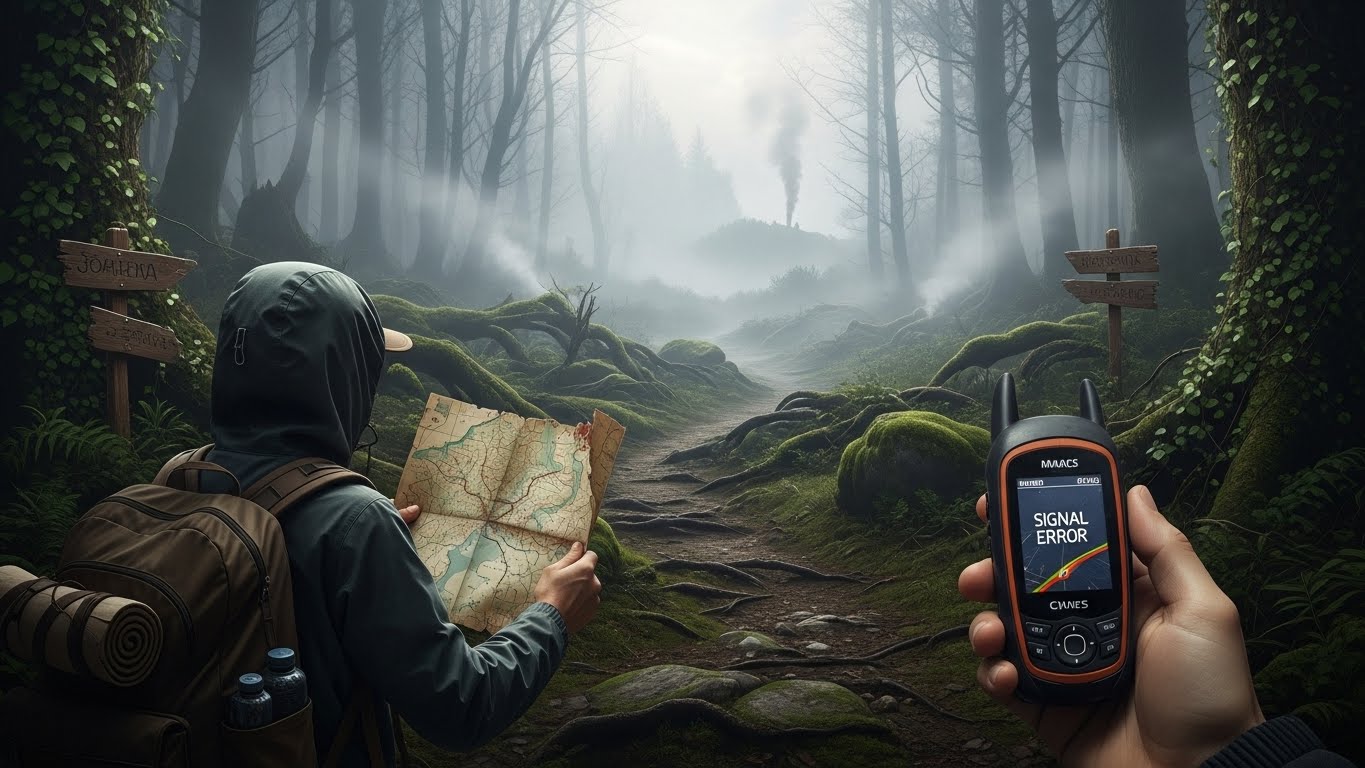
Entering the City
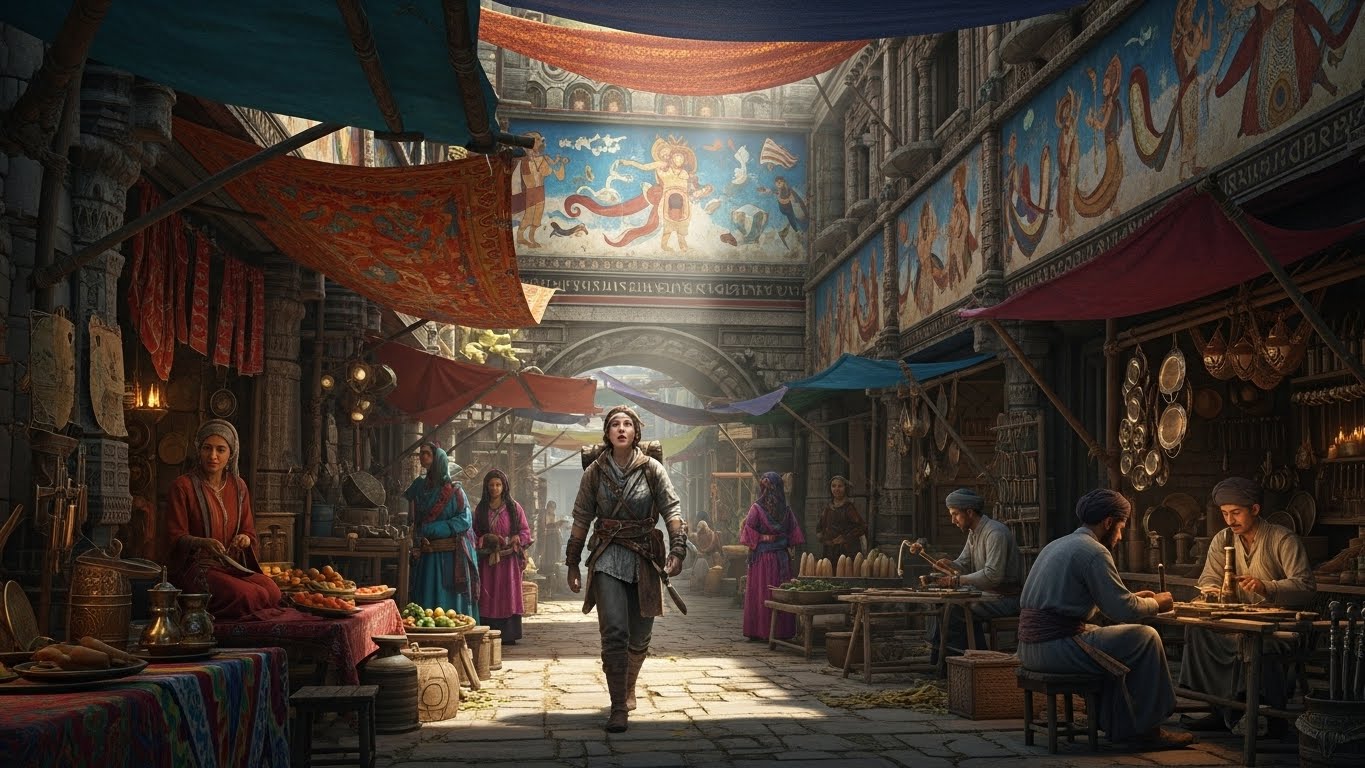
The explorer steps through the city gates, discovering streets filled with life and activity. Markets, alleys, and plazas unfold in vivid detail. Sequential visuals follow the traveler’s journey, highlighting colors, textures, and movement. Street vendors, artisans, and local inhabitants add authenticity and depth, conveying culture without dialogue.
Camera angles shift dynamically: tracking shots follow the explorer through bustling alleys, while overhead shots reveal the city’s unique layout, hidden courtyards, and architectural wonders. Each visual moment builds immersion and curiosity.
Hidden Secrets and Mysteries
The city holds secrets that defy common knowledge. Ancient murals, cryptic inscriptions, and unusual landmarks invite exploration. Close-ups reveal details that might otherwise be overlooked: carved symbols, worn statues, or hidden inscriptions that hint at a rich history and untold stories.
Visual storytelling allows these discoveries to unfold naturally. Sequential framing guides the audience from curiosity to wonder, gradually unveiling the city’s mysteries.
Interactions with Locals
The traveler interacts with inhabitants who offer subtle guidance, oral history, or enigmatic gestures. Medium shots capture conversations, body language, and cultural rituals. The audience experiences the city’s culture through immersive visuals, learning about its unique traditions and hidden social fabric without explicit exposition.
The City’s Enigmatic Architecture
The city’s design is unlike any other. Streets twist in unexpected patterns, buildings rise with unusual proportions, and hidden passageways connect plazas. Sequential visuals guide the audience’s gaze from intricate rooftops to ornate doorways, emphasizing the city’s uniqueness. Light and shadow play across façades, enhancing the atmosphere of wonder and intrigue.
Atmosphere and Mood
Visual storytelling emphasizes the city’s mood. Early morning fog, flickering lanterns at dusk, and soft sunlight filtering through narrow streets create an immersive atmosphere. Soundscapes—though implied visually—are suggested through moving water, bustling crowds, or rustling trees, heightening the sensory experience.
Uncovering the City’s History
The traveler discovers artifacts, old manuscripts, or remnants of past civilizations that hint at the city’s origins. Sequential visuals convey historical depth without requiring narration. Panning shots over ancient carvings, close-ups of weathered inscriptions, and wide views of forgotten plazas communicate the city’s storied past, engaging the audience intellectually and emotionally. 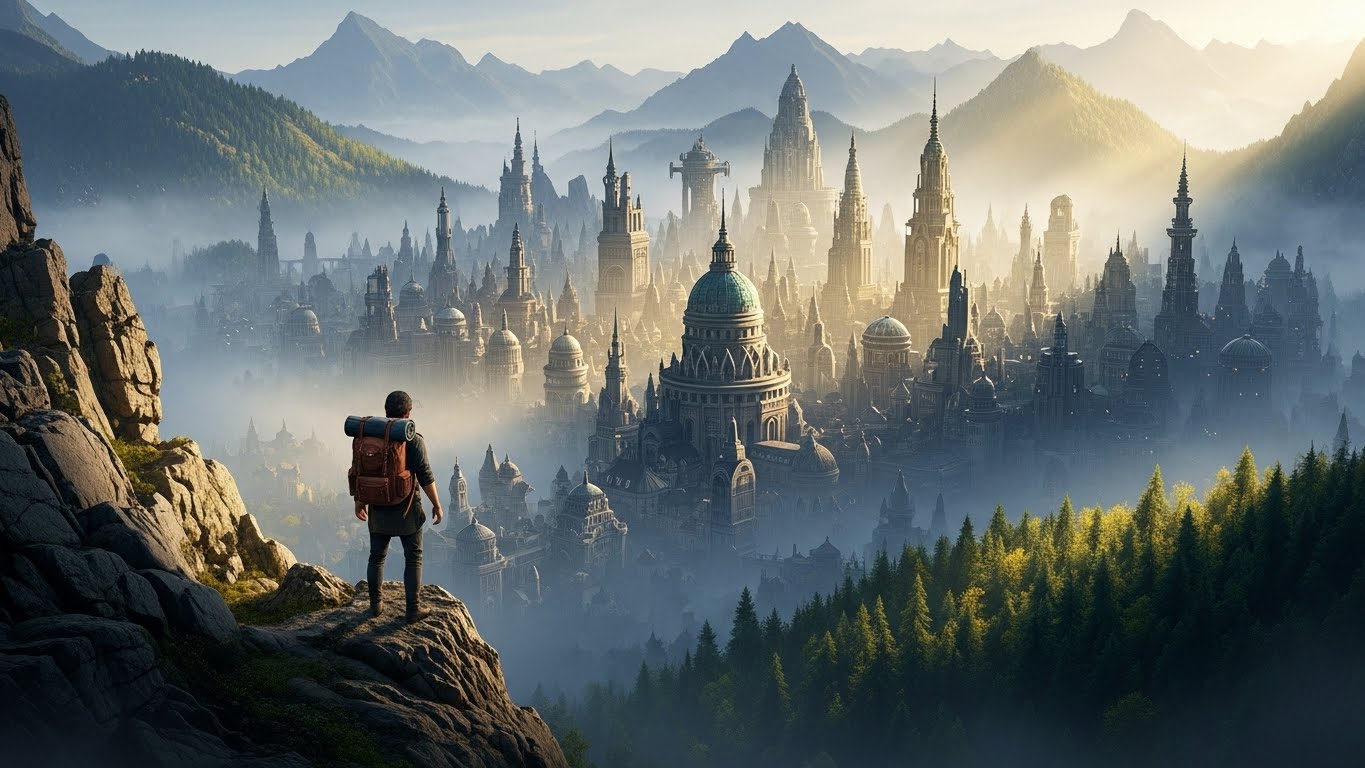
The Hidden Wonders
The city reveals pockets of beauty and uniqueness: secret gardens, rooftop terraces, underground chambers, or hidden fountains. Visual storytelling emphasizes these discoveries through dynamic camera angles, focus shifts, and sequential framing. Each reveal adds layers of complexity, showing that the city’s invisibility on maps does not diminish its richness.
Conflict and Tension
The city may also harbor challenges: guarded entrances, natural obstacles, or mysterious inhabitants who test the traveler’s intentions. Visual cues such as sudden shadows, narrow escapes, or unexpected roadblocks create suspense. Sequential imagery keeps the audience engaged, balancing awe with tension.
Climactic Discovery
The narrative reaches its climax when the traveler uncovers the city’s most profound secret: a hidden monument, sacred site, or evidence of historical significance that explains why the city remains uncharted. Cinematic visuals—dramatic lighting, long tracking shots, and immersive framing—enhance the impact of this revelation, leaving the audience in awe.
Resolution and Reflection
After exploring, the traveler leaves the city, reflecting on its mysteries and wonders. Wide shots capture the city from afar, shrouded in mist or sunlight, emphasizing its hidden nature. The audience is left contemplating how such a city could exist unnoticed, while retaining a sense of enchantment and curiosity.
Why This Visual Story Works
“The City That Doesn’t Appear on Maps” succeeds because it blends mystery, discovery, and immersive visuals. Sequential framing, dynamic camera angles, and detailed imagery engage the audience fully. The narrative encourages curiosity, emotional investment, and intellectual engagement, making the hidden city feel tangible and alive.
Adapting for Modern Visual Platforms
This story can be adapted into films, short videos, VR experiences, or interactive storytelling. Each district, alley, or landmark can serve as a scene, allowing sequential exploration that mirrors the traveler's journey. Visual emphasis on lighting, perspective, and movement ensures immersion across different platforms.
Lessons and Themes
The narrative explores discovery, curiosity, cultural richness, and the hidden layers of the world. It demonstrates that even places unseen or unrecorded can be vibrant and meaningful. Visual storytelling enables audiences to experience the wonder and mystery of exploration in a universally accessible format.
Final Thoughts
The City That Doesn’t Appear on Maps is a captivating visual story that blends mystery, cultural depth, and immersive exploration. Through sequential imagery, atmospheric details, and dynamic storytelling, it transports audiences into a hidden world, illustrating the power of visual narratives to reveal unseen wonders. This city, invisible on maps yet vividly real, becomes a testament to curiosity, discovery, and the limitless possibilities of imagination.