

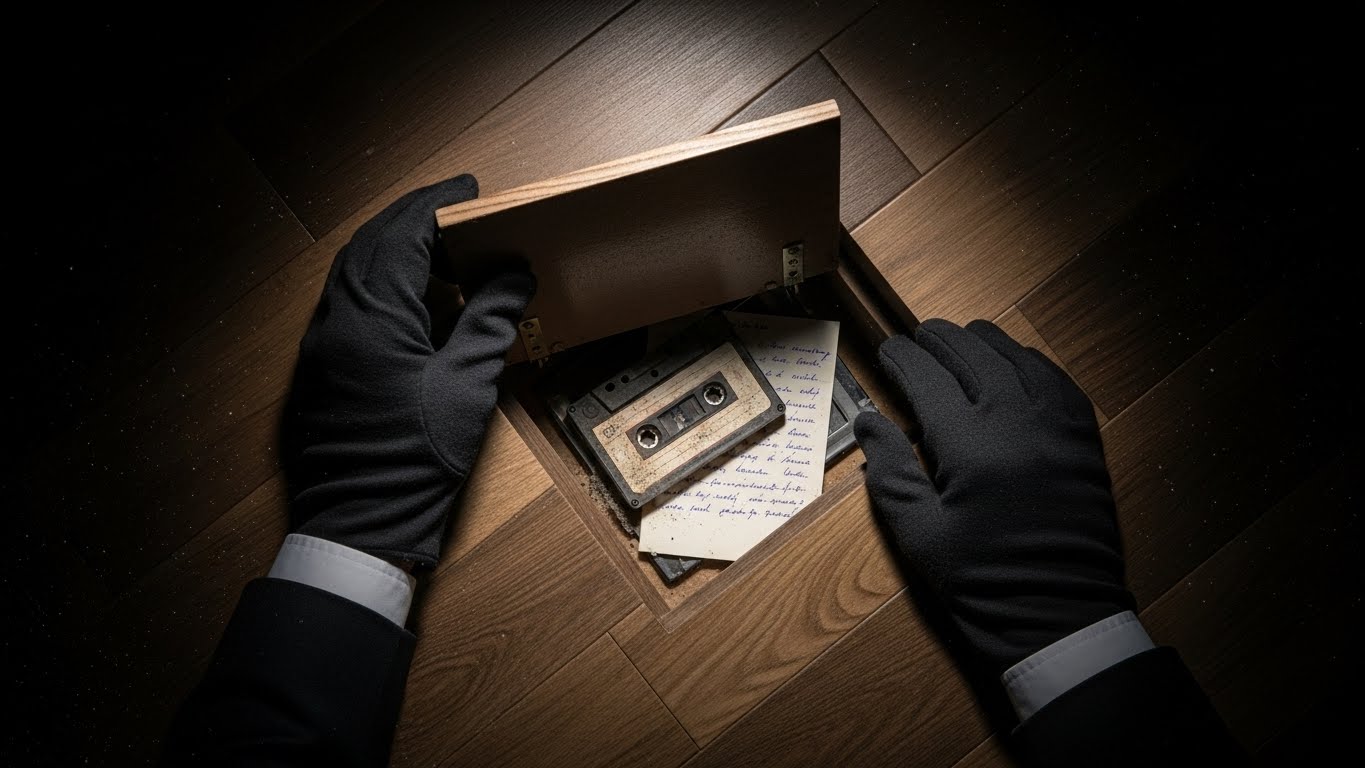
Visual storytelling captivates audiences by blending suspense, intrigue, and emotional depth through images and sequential narrative. One of the most compelling types of visual storytelling involves communication from the past, especially from those who are no longer alive. This article presents a visual story titled The Final Message, following a detective who receives an email from a deceased person, revealing real evidence that sparks a suspenseful investigation. Through sequential visuals, cinematic composition, and immersive storytelling, the narrative engages the audience in a journey of discovery, tension, and resolution.
Introducing the Detective
The story begins with a portrait of the detective’s daily routine. Medium shots show him working at his desk, reviewing old case files, and interacting with colleagues. The visuals establish a grounded reality, making the sudden intrusion of the supernatural or unusual element more striking. Small details—a cup of coffee, a ticking clock, or papers scattered across the desk—set the stage for normalcy before the disruption occurs.
The Unexpected Email
One evening, as the detective reviews routine correspondence, a peculiar email appears in his inbox. The sender’s name matches that of a recently deceased individual, instantly creating tension. Close-ups of the subject line, email timestamp, and the detective’s reaction highlight the uncanny nature of the event. Ambient lighting, shadowed corners, and a focused desk lamp visually reinforce suspense. 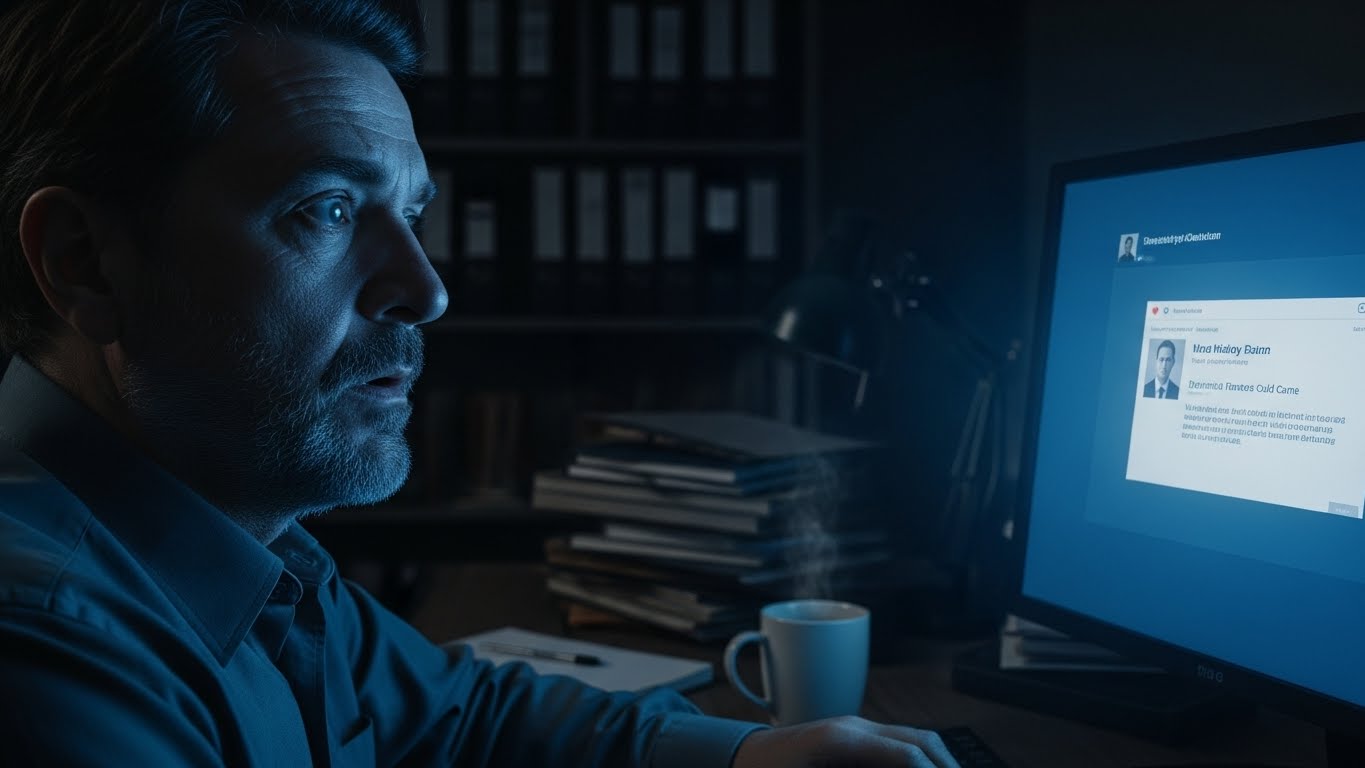
Examining the Contents
Opening the email reveals attachments, hidden messages, and subtle hints of unresolved events. Visual storytelling emphasizes the detective’s hands navigating the keyboard, the glint of reflected light on the monitor, and scrolling through mysterious documents. Partial glimpses of photographs, maps, or scanned notes maintain intrigue while leaving key elements to the imagination of the audience.
Initial Investigation
Sequential visuals depict the detective tracing leads mentioned in the email. He examines locations, observes surroundings, and interacts with witnesses. Wide shots establish setting, while close-ups capture details that might otherwise go unnoticed. The audience follows his investigative process visually, noting patterns, inconsistencies, and clues.
Clues and Suspense
The email contains information that seems impossible yet verifiable. Photographs show locations he has never visited, or documents reveal names and dates that correspond to real events. Visual storytelling employs perspective shifts, focus transitions, and lighting to create tension. The detective’s reactions—furrowed brows, clenched fists, or a pause before acting—communicate suspense and curiosity effectively.
Uncovering Hidden Evidence
As the detective delves deeper, he uncovers additional evidence: security footage, old correspondence, or audio recordings. Sequential visuals highlight the detective piecing together fragments into a coherent pattern. Rapid cuts alternate with lingering shots to balance urgency and reflection. This structure keeps the audience engaged while gradually revealing critical information.
The Emotional Journey
The detective experiences a spectrum of emotions: skepticism, disbelief, fascination, and ultimately, determination. Close-ups of his eyes, subtle facial expressions, and deliberate hand movements convey internal conflict. Visual storytelling emphasizes emotion without relying on dialogue, allowing global audiences to connect with the narrative intuitively.
Piecing Together the Mystery
Sequential visual cues guide the detective toward the resolution. Maps, highlighted documents, and digital traces illustrate the connections between past events and current discoveries. Perspective shots and slow tracking allow the audience to anticipate the unfolding truth, maintaining suspense while offering clarity.
Climactic Revelation
The detective reaches the moment of revelation. Cinematic visuals—dramatic lighting, strategic shadows, and contrasting angles—heighten tension. The final piece of evidence explains the deceased’s intent, the circumstances of unresolved events, and the critical messages conveyed through the email. The audience experiences catharsis as the mystery is unveiled, visually and emotionally.
Resolution and Reflection
After uncovering the truth, the detective reflects on the journey. Wide shots show him in quiet contemplation, reviewing the email one final time. The narrative leaves room for contemplation: the boundary between life and death, unfinished business, and the impact of communication across time. Visual storytelling reinforces introspection through lighting, composition, and pacing. 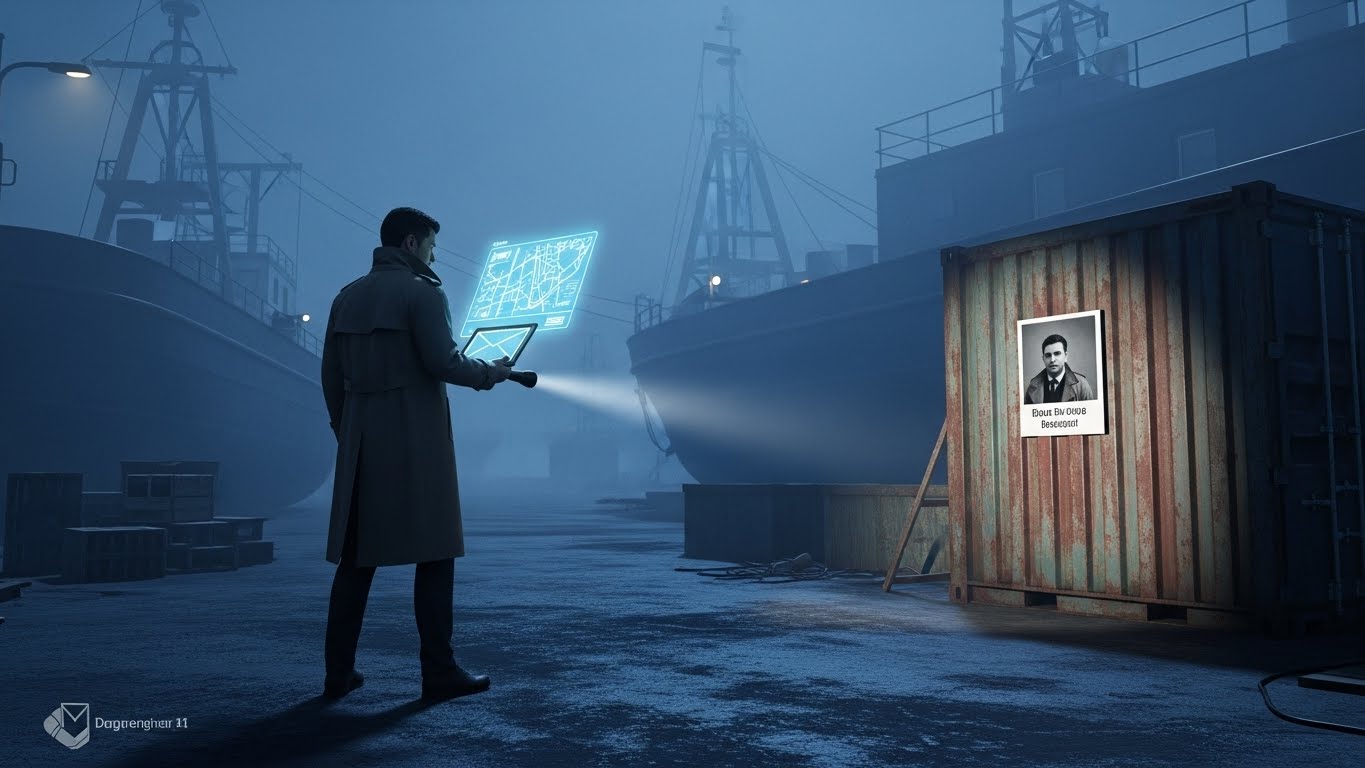
Why This Visual Story Works
“The Final Message” succeeds because it combines suspense, investigation, and emotional resonance through sequential visuals. Each visual cue—from email content to investigative leads—engages the audience actively, allowing them to piece together the story alongside the detective. The narrative demonstrates the power of “show, don’t tell,” creating universal appeal.
Adapting for Modern Visual Platforms
This story is highly adaptable for short films, animation, or interactive media. The email interface can be animated to display subtle hints, while sequential visual storytelling maintains suspense and engagement. Social media reels, cinematic sequences, or interactive storytelling platforms can all leverage this narrative, maximizing immersion and audience connection.
Lessons and Themes
The narrative explores communication beyond life, trust, the pursuit of truth, and the emotional consequences of unresolved events. It emphasizes how ordinary objects—a computer, an email, a document—can become vessels of profound storytelling. Visual storytelling conveys suspense, emotion, and revelation in a universally accessible format.
Final Thoughts
The Final Message is a gripping visual story of mystery, discovery, and emotional depth. Through sequential imagery, suspenseful pacing, and immersive visuals, it captivates audiences while demonstrating the power of visual storytelling. The narrative illustrates how communication from beyond can impact the living, creating an unforgettable, universally engaging experience.